
Beyond the Toy and the Military: How DJI Created a $5 Billion Consumer Drone Category
Mar 12, 2026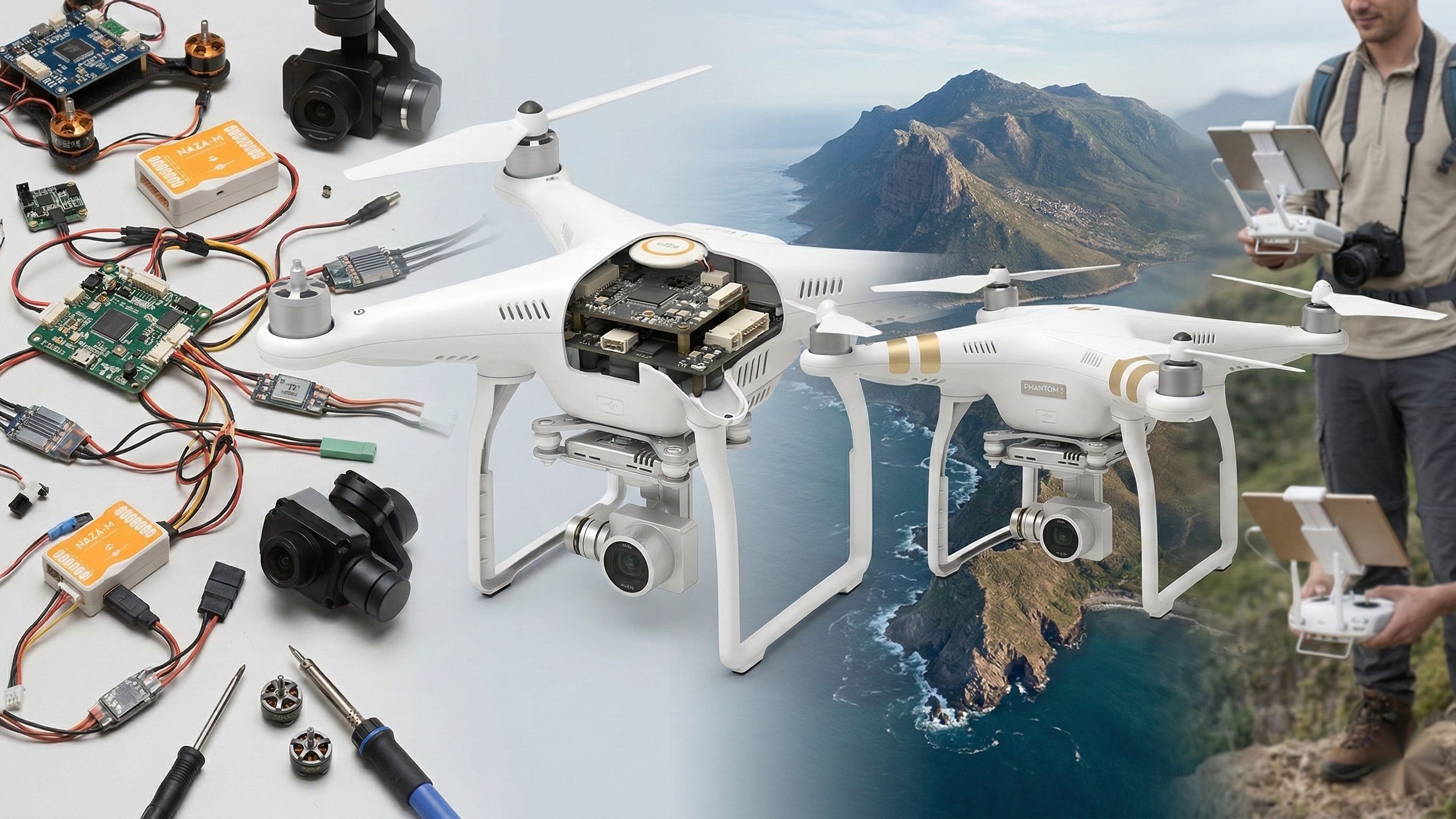
How did a Chinese hardware startup achieve a 60-70% global monopoly in the consumer drone market? Before DJI, the drone industry was divided into expensive military systems and cheap, unreliable toys. DJI unlocked a massive new category by rejecting the "DIY kit" model and building fully integrated aircraft focused on three non-negotiable user demands: safety, simplicity, and beauty.
The Trap of the "Existing Market" If you look at the global consumer drone market—valued at roughly $5 billion in 2024—one Chinese company, DJI, has consistently held a 60–70% market share. For global executives and hardware innovators, DJI is not just a success story; it is a masterclass in category creation.
Before DJI launched its phenomenon-level product, the Phantom, the drone industry was strictly segregated into three zones:
- Military & Defense: Highly complex, extremely expensive systems driven by government budgets and geopolitical requirements.
- Professional/Industrial: Customized, expensive rigs used for surveying and energy inspections, requiring trained on-site staff.
- Toys & Model Aircraft: Cheap plastic frames sold in bulk, where crashes were expected and user experience was an afterthought.
Most hardware companies choose to compete in one of these existing tracks. DJI, however, saw a massive overlooked gap: the ordinary consumer who wanted an aerial camera but lacked an engineering background.
The Phantom Strategy: Swallowing the Complexity To capture this market, DJI had to make a painful strategic pivot. At the time, their core business was selling flight-control boards to hobbyists who built their own "DIY kits."
Instead of continuing as a component supplier, DJI chose vertical integration. They defined the first truly integrated consumer drone based on three pillars:
- Safety (Self-Preservation Instinct): The system was designed so that if a pilot let go of the controls, the drone would hover stably instead of drifting. They integrated automatic return-to-home protocols for low battery or signal loss scenarios.
- Simplicity (Lowering the Barrier): DJI hid the complex wiring and algorithms inside a clean white shell. They simplified flight modes so that 80% of beginners could achieve stable flight within minutes.
- Taking Responsibility for the Image: In the DIY era, the flight controller vendor blamed the gimbal vendor for shaky footage. By integrating the camera, gimbal, and flight controller into one system, DJI took full responsibility for the final aerial image, establishing a reputation for cinematic visual quality.
The Strategic Takeaway DJI didn't steal market share from toy manufacturers; they unlocked incremental demand from people who were previously budgeting for traditional cameras. They proved that if a company absorbs the technical complexity into the system and protects the user from risk, entirely new markets will emerge.
Want to dive deeper into the supply chain secrets and global strategies of Chinese tech giants? Subscribe to The Niche Hunter or enroll in our Executive Mini-MBAs at the Global Education Institute to access the full 5.5-hour DJI MBA Case Study.