
The Brick-and-Mortar Bet: Why a Discount Store Shredded E-commerce’s "Death Sentence"
Jun 14, 2026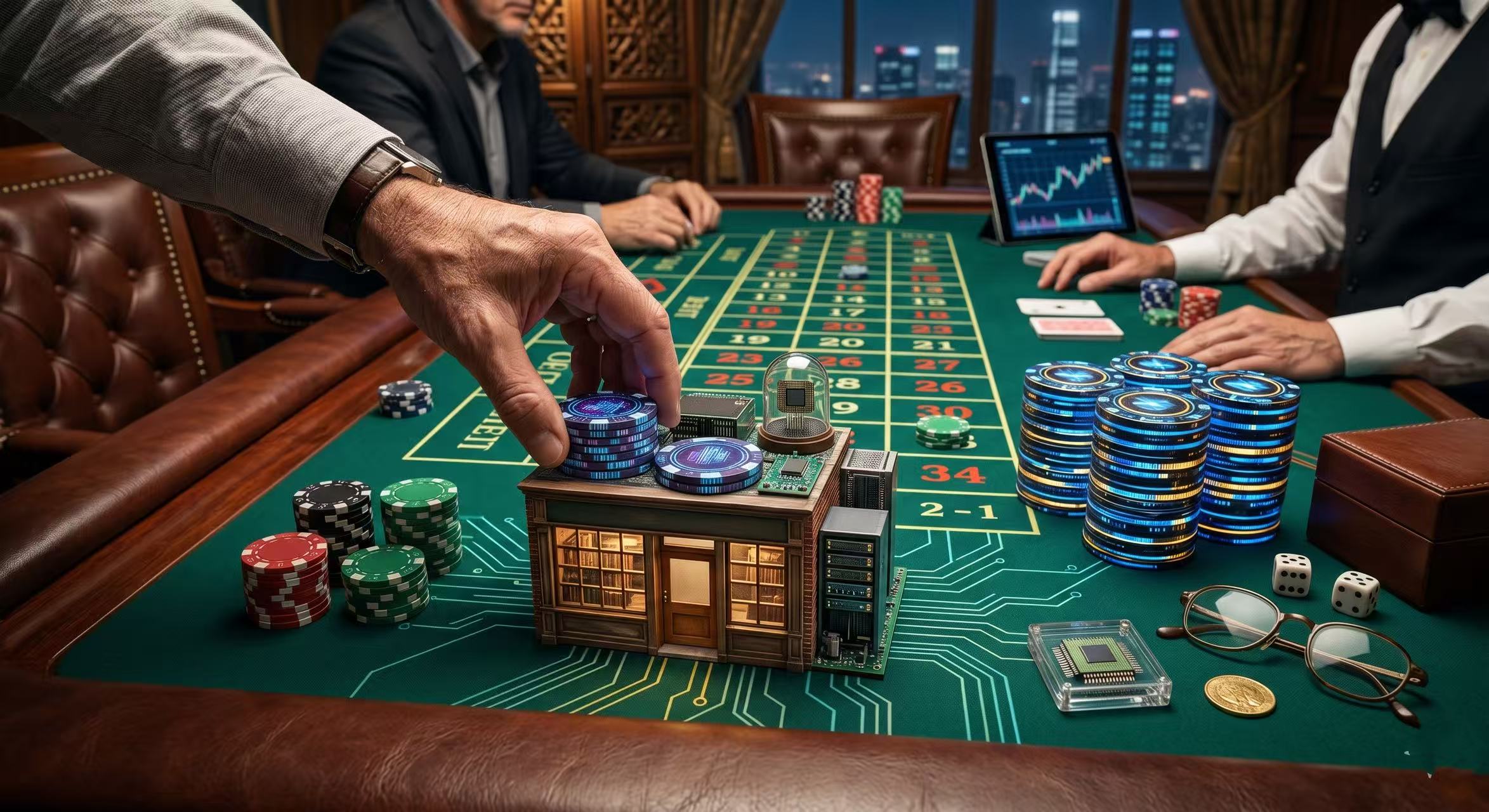
- Why is physical retail booming despite the onslaught of e-commerce? It is because traditional stores succumbed to sclerotic inventory turnover and bloated channel costs, rather than the nature of physical space itself. Miniso transformed general merchandise into a "fast-moving" model, crafting a dopamine-fueled "treasure hunt" experience that addresses the emotional needs e-commerce cannot satisfy.
- How did Miniso forge its overwhelming supply-chain hegemony? The core lies in "volume-based pricing" and "buyout customization". By aggregating massive orders from over 8,000 global stores and implementing a rare 15-day cash settlement—shattering the 90-day industry norm—it forces manufacturers to yield absolute rock-bottom prices.
- How does the "711 Model" redefine retail efficiency? Every 7 days, 100 new items are selected for the shelves from a pool of 10,000 designs. This compresses inventory turnover to a staggering 21–60 days, squeezing every drop of potential from the supply chain and eliminating the inventory risks that plague traditional department stores.
Rewind to 2013. Silicon Valley’s prophets were busy penning obituaries for brick-and-mortar commerce. Simultaneously, two Chinese titans, Jack Ma and Wang Jianlin, placed a 100-million-yuan "bet of the century" on whether e-commerce would swallow half of the retail landscape within a decade. In that dark hour for shopping malls, Ye Guofu, an unheralded merchant, pushed his chips toward physical stores. This was no Don Quixote charge; he wielded a blade called "Miniso". A decade later, while e-commerce upstarts struggle in the quagmire of traffic costs, this once-mocked "ten-yuan shop" has planted its flag in over 100 countries, with quarterly revenue approaching 5.8 billion yuan. Wall Street’s elite have finally realised they miscalculated the physics of retail.
The Cash-Flow Mincer and Offline Dopamine
For global professionals and private investors scouring Nasdaq for the next tech unicorn, Miniso serves as a sharp riposte to "Internet omnipotence". We naively assumed algorithms could solve all transactional friction, forgetting that consumption is not merely the acquisition of goods, but a primal "hunting" instinct.
As traditional retailers were routed by e-commerce pricing, Miniso eschewed burning cash for digital traffic. Instead, it executed a masterful "cash-flow arbitrage" by tapping into the overstretched OEM capacity of the e-commerce era. While traditional manufacturers suffer from month-long payment cycles and high inventory risks, Miniso wielded massive orders and punctual cash settlements to dominate the finest production lines like a merchant warlord. For the curious polymath, the lesson is sobering: in any "sunset" industry, restructuring the velocity of capital to turn inventory into a cash-flow machine can transform neglected offline footfall into a fountain of liquidity.
Strategic Alpha
|
Dimension |
The Trap: Sclerotic Death of Classical Retail |
The Strategy: Miniso’s Dimensional Strike |
The Alpha: Capital and Growth Dividends |
|
Risk Management |
Six-month inventory cycles; once trends fade, stock becomes bad debt and cash flow severs. |
"711" Rapid-Fire New Arrivals: Data-driven launches (21–60 day turnover) spread risk across thousands of SKUs, allowing "second-level" stop-losses on slow movers. |
A robust balance sheet that remains exceptionally healthy even amidst extreme macro volatility. |
|
Supply-Chain Dynamics |
Multi-layered distribution taxes and a fragile credit system dependent on delaying factory payments. |
Cash Buyouts & Economies of Scale: Using "ironclad credit"—never a penny late—to trade for rock-bottom prices and priority production from world-class suppliers. |
A "cost-quality" moat that competitors cannot breach in the short term. |
|
Growth Engine |
Reduced to an offline showroom for e-commerce, trapped in a race to the bottom on price. |
The Physical Dopamine Experience: Using "treasure hunt" logic to elevate shopping from purposeful procurement to emotional, entertainment-driven consumption. |
Exceptional footfall and sales density in global prime locations, such as New York's Times Square. |
To see through this sophisticated capital play, which is merely cloaked in "cheapness," one cannot rely on the stale case studies of business schools. This is the value of The Niche Hunter—sniping hidden arbitrage models that grow against the grain while the global market is blinded by conventional wisdom (such as "the death of physical retail"). Within the elite think tank of the Global Education Institute (GEI), our Mini MBA system distills this "high-pressure supply chain and cash-flow tactic" into a strategic arsenal for insiders, allowing you to scent profit in any red ocean. In this world, no model is destined for obsolescence.