The Ugly Premium: How a Useless Plastic Monster Became a $10 Billion Emotional Container
Mar 20, 2026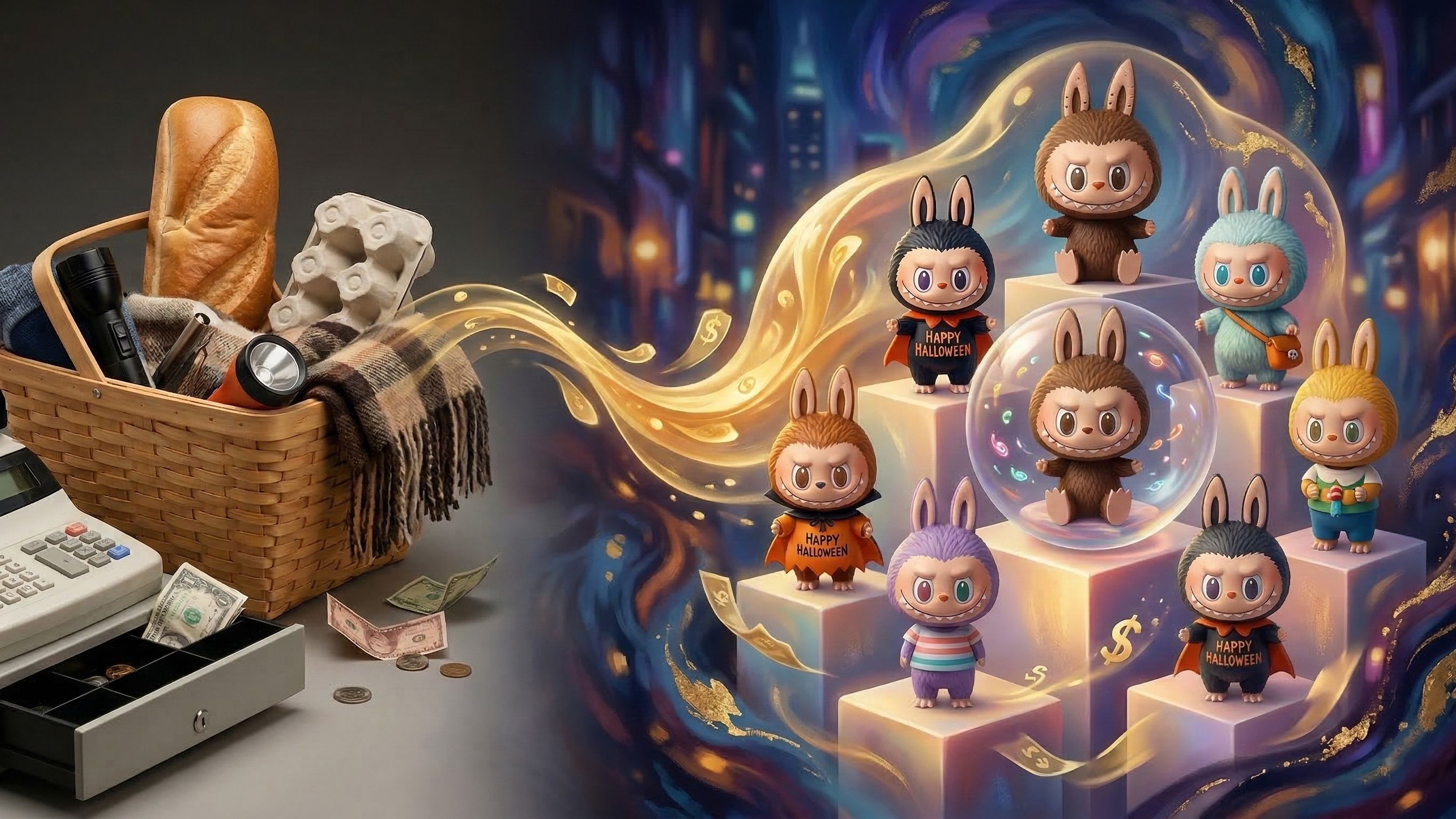
In the traditional model of rational consumption, the value of a product is proportional to its ability to solve a practical problem. If you’re hungry, you order food. If you’re cold, you buy a coat.
Yet in today’s digital economy, the most explosive growth engine in consumer markets comes from something that solves absolutely nothing.
Consider LABUBU. Created by a Thai artist, this mischievous little “forest sprite” with crooked teeth and sly eyes possesses neither the golden proportions of a Disney princess nor the soulful charm of a Japanese anime character. And yet this deliberately “ugly-cute” plastic figurine has triggered a global frenzy across social networks, becoming a fiercely sought-after “spiritual totem” for adults.
The Psychological Arbitrage of the Anti-Hero
Why would grown adults obsess over a piece of plastic with no practical function? The answer lies hidden in the suppressed emotional spectrum of modern life.
In an age where everyone is pressured to constantly “become a better version of themselves,” LABUBU offers something extraordinarily rare: relief. With its unapologetic anti-hero attitude—“This is who I am. Deal with it.”—it creates an alternative identity for its fans.
It does not sell perfection. It sells the comfort of being understood in one’s fragility.
What we are witnessing is a structural shift—from functional consumption to emotional consumption. When products no longer need to solve survival problems, they begin to function as mirrors of emotion and tools for emotional therapy.
LABUBU is not a toy. It is an emotional container, carrying the social anxiety, existential melancholy, and exhausted humor of urban life.
And beneath every seemingly absurd craze, there is always a deeper commercial logic.
If you want to identify opportunities for this kind of emotional arbitrage before the next trend explodes, consider subscribing to Global Education Institute’s The Niche Hunter.
We help you look beyond the surface and capture high-value niche markets 6 to 18 months before they emerge globally.