Issue Date: April 4, 2026 - April 10, 2026
Key words: Co-creator / Co-created Ecosystems, Engineered Friction, Autonomy, Cultural Empowerment, Humanistic Economics, City-Hopping, Chinamaxxing, Treasure Cities, Professional NPC, Real-World Gamification
Weekly Message
To truly comprehend the tectonic shifts that will define the global consumer landscape of 2028, one must pivot their gaze away from the established Western capitals and peer intently at the Chinese consumer of May 2026. This observation forms the central, unshakeable premise of the so-called "time machine theory." China’s hyper-dense, ferociously competitive, and ruthlessly innovative domestic market no longer simply reacts to global trends; rather, it functions as an accelerated test server for global shifts in structural economics and collective behavioural psychology. When a consumer market of this unprecedented, gargantuan scale pivots, it does not merely generate isolated, ephemeral consumption fads. Instead, it acts as a macroeconomic wrecking ball, violently restructuring global supply chains, dictating entirely new software ecological architectures, and fundamentally redirecting the deployment of institutional capital worldwide.
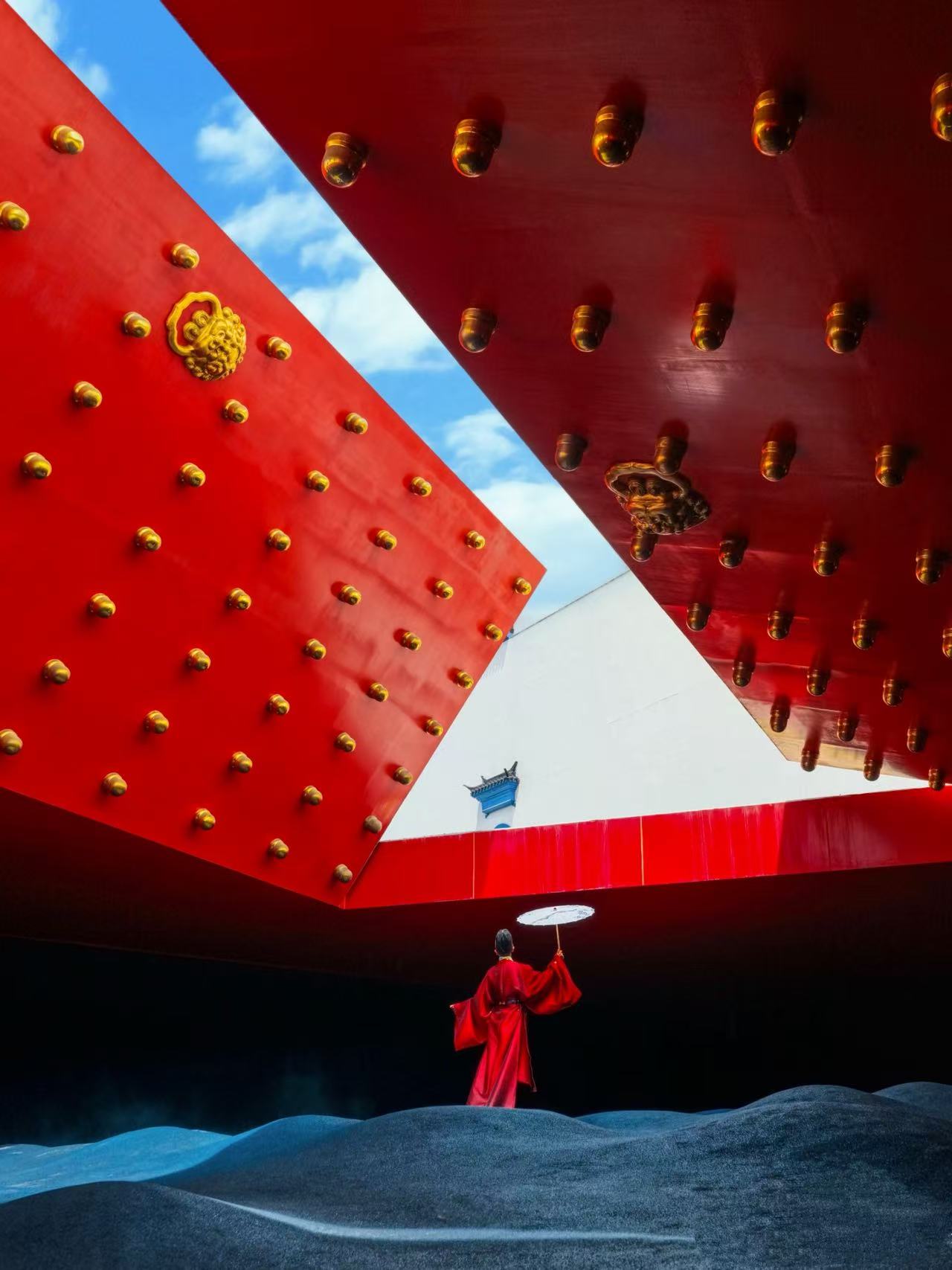
Against a global backdrop defined by trade friction, sluggish economic growth, and structural anxieties surrounding the middle-income trap, consumer spending serves as the ultimate barometer of national economic vitality. During the May Day holiday period spanning from May 1 to May 5, 2026, the Chinese consumer market underwent an extraordinary structural validation. Official data released by state authorities revealed a staggering reality: the total volume of cross-regional personnel movement across society reached an astonishing 1.517 billion trips, equating to an average of 303.4 million trips per single day. This represents a robust 3.49% year-on-year increase, establishing a new historical zenith for human mobility within a condensed timeframe.
However, pure volume is merely a baseline metric, a superficial read of the data. The profound, actionable insight lies in the qualitative transmutation of this mass mobility. The era of passive, whistle-stop, traditional sightseeing—where tourists are treated as predictable cargo moved through frictionless funnels—has fundamentally fractured and begun to collapse. In its place, a highly mature, intensely immersive travel paradigm has risen to dominance. This new model forcibly transitions the consumer from a passive "spectator" or observer into an active "participant," and even a vital "co-creator" of the experience itself. Crucially, this immersive revolution extends far beyond the mere superficial accumulation of technological gimmicks such as virtual or augmented reality headsets; it is instead deeply rooted in the visceral, first-hand perception of cultural cores and the precise, algorithmic engineering of emotional resonance.
This report dissects the three structural transformations that defined this 1.5-billion-person stress test: the absolute premium modern consumers are willing to pay for "engineered friction," the systematic and heavily policy-driven pivot of institutional capital toward "cultural empowerment," and the sudden emergence of a novel labour force endowed with deep historical literacy. For operators, investors, and developers sitting in boardrooms in New York, London, or Singapore, this data is by no means a distant, exotic cultural spectacle to be passively observed; it is, unequivocally, your product roadmap for the next 24 months.
The Signals: Tracking the Reallocation of Attention and Capital
In the traditional tourism and retail markets, the conventional metrics of consumer satisfaction—speed, seamlessness, low-friction transactions, and automated ease—are being actively and aggressively subverted by the very consumers they were designed to serve. We categorise the signals emitted by this massive macroeconomic event into three specific vertical domains to track precisely how this psychological subversion is being monetised on the ground.
The Product Hunter: Paying a Premium for "Engineered Friction"
During the 2026 May Day holiday, the products and services boasting the highest conversion rates and the most robust profit margins were neither physical souvenirs nor traditional luxury goods. Consumers willingly and enthusiastically poured vast swathes of their disposable income into highly immersive, high-friction scenarios that endowed them with absolute narrative sovereignty. The contemporary consumer is currently paying a staggering premium simply for the privilege of "becoming the protagonist" in a physical space.
They entirely reject seamless, passive, automated experiences. Provided the narrative framework is sufficiently compelling, meticulously designed, and grounded in authenticity, they are willing to pay top dollar to sweat, to engage in hard physical labour, and even to experience the bitter taste of failure.
Signal One: The Gamification of Macro-Geography
Perhaps the most dazzling, almost surreal manifestation of this shift occurred in Yinan County, situated in Linyi City within China’s eastern Shandong Province. A project boldly titled "Follow the Commander to Attack the County Town" fundamentally rewrote the rules of historical and cultural tourism, exploding into a viral sensation during the May Day period.
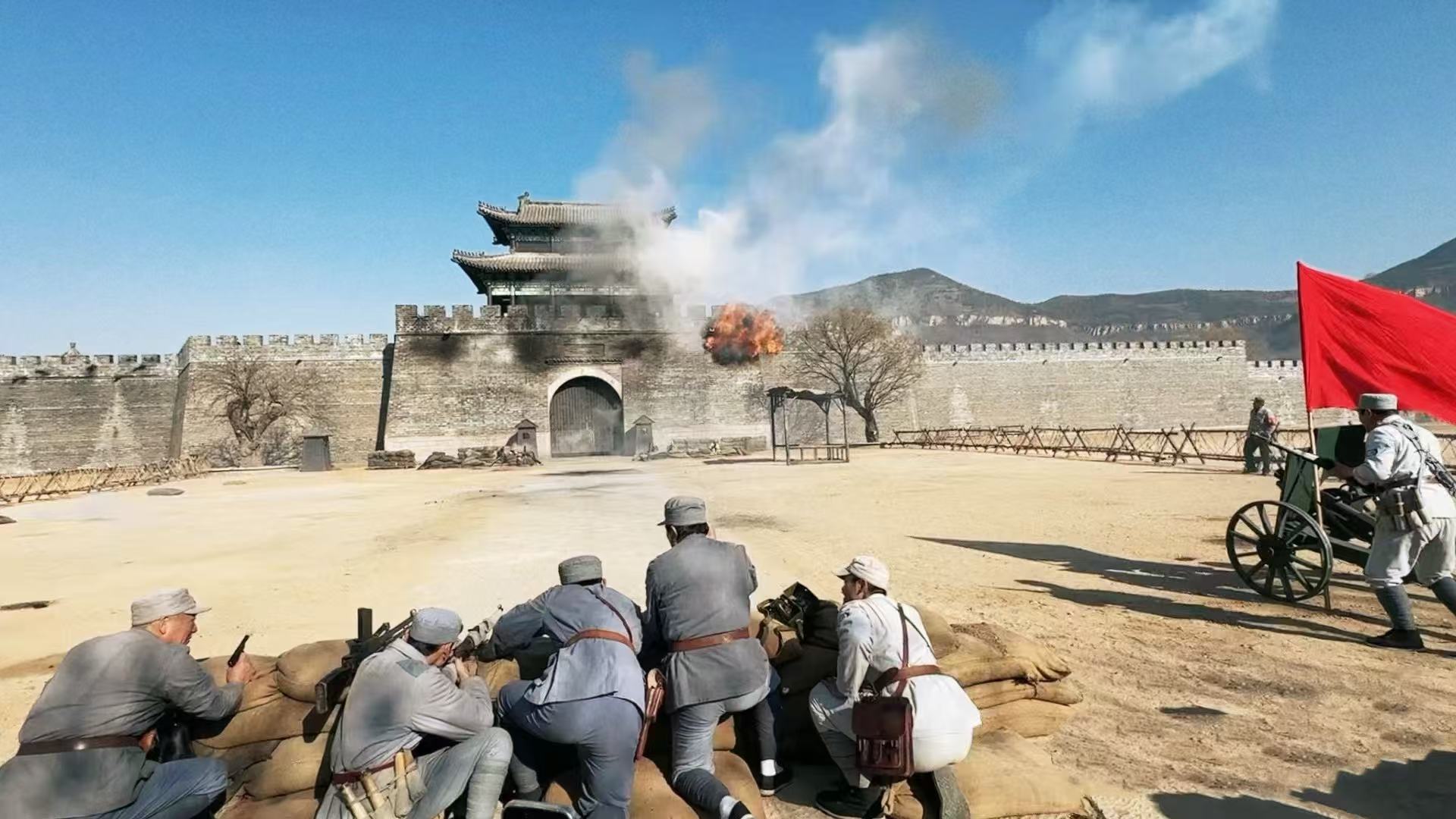
Tourists flocking to Linyi are no longer herded past sterile glass display cabinets housing 1940s artefacts, nor are they subjected to the passive, soporific drone of monotonous audio guides. Instead, they pay handsomely to participate in a massive, physically exhausting, macro-scale live-action role-playing (LARP) game, plunging headfirst into the chaotic anti-Japanese battlefields of 1941. The sheer scale of the operation is staggering. A single immersive session can accommodate over 700 to 800 tourists simultaneously, who are formally "conscripted" by professional actors portraying historical military figures. Participants undergo intense pre-battle mobilisation and rigorous formation marching, culminating in a highly cinematic, physically demanding charge against a simulated earthen city wall, complete with Hollywood-grade pyrotechnics, blaring bugle calls, collective war cries, and the brandishing of physical props like broadswords and red-tasselled spears.
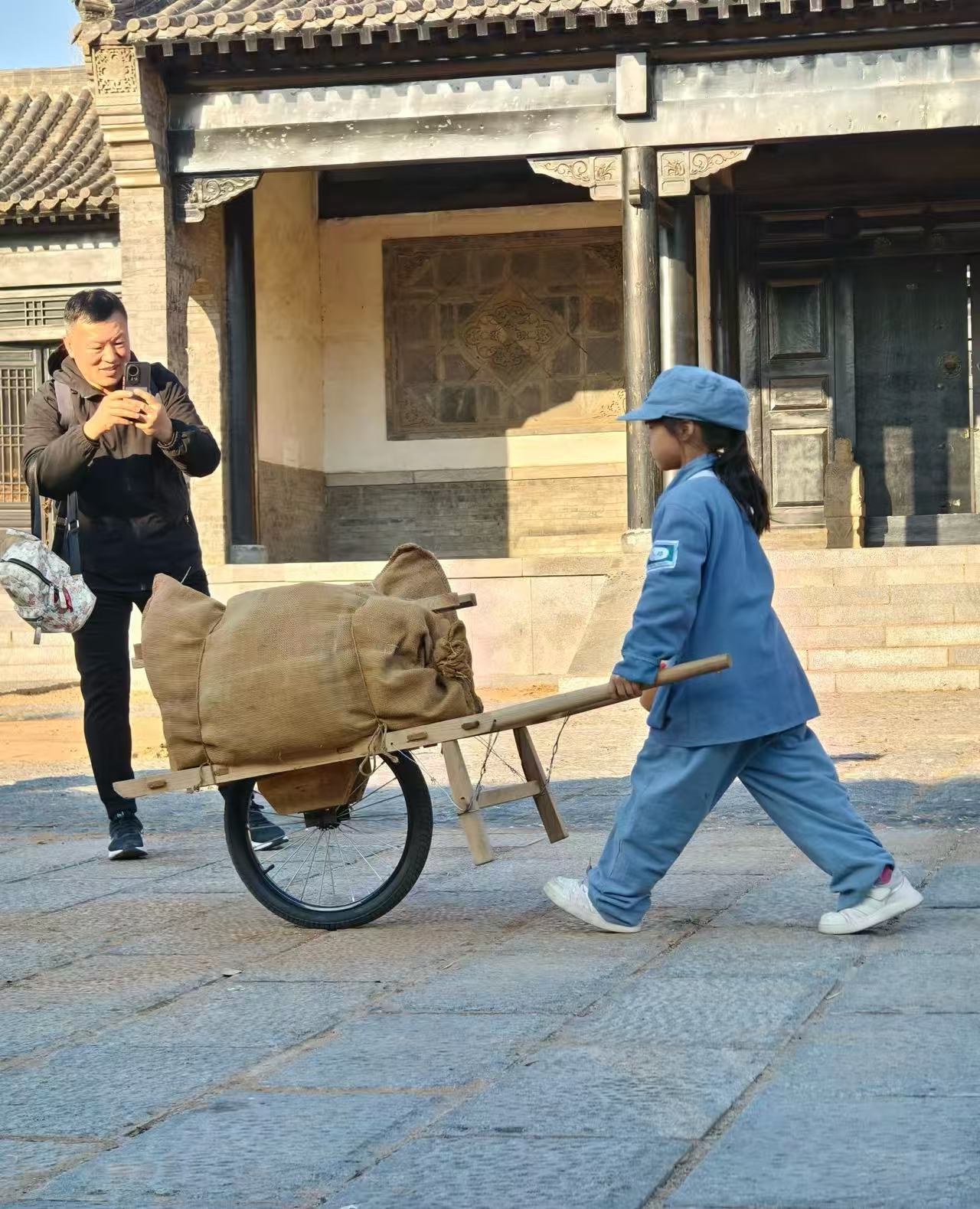
Operational data robustly corroborates the commercial vitality of this high-friction model. At the holiday's absolute peak, daily visitor volume reached an astonishing 75,000 individuals, maintaining a post-holiday baseline of 40,000 visitors per day—a significant year-on-year increase that fundamentally transformed the scenic area's overall reception capacity and economic footprint. Crucially, its commercial model functions simultaneously as a sophisticated engine for rural revitalisation; local farmers are not displaced but actively participate in dividend distributions by contributing land shares, working as paid background extras, or selling bespoke local handicrafts within the game's ecosystem. Demand was so overwhelming that the scenic area was forced to implement strict, dynamic crowd-control measures, ironically transforming the "physical exhaustion" itself into an extraordinarily scarce, highly coveted commodity.
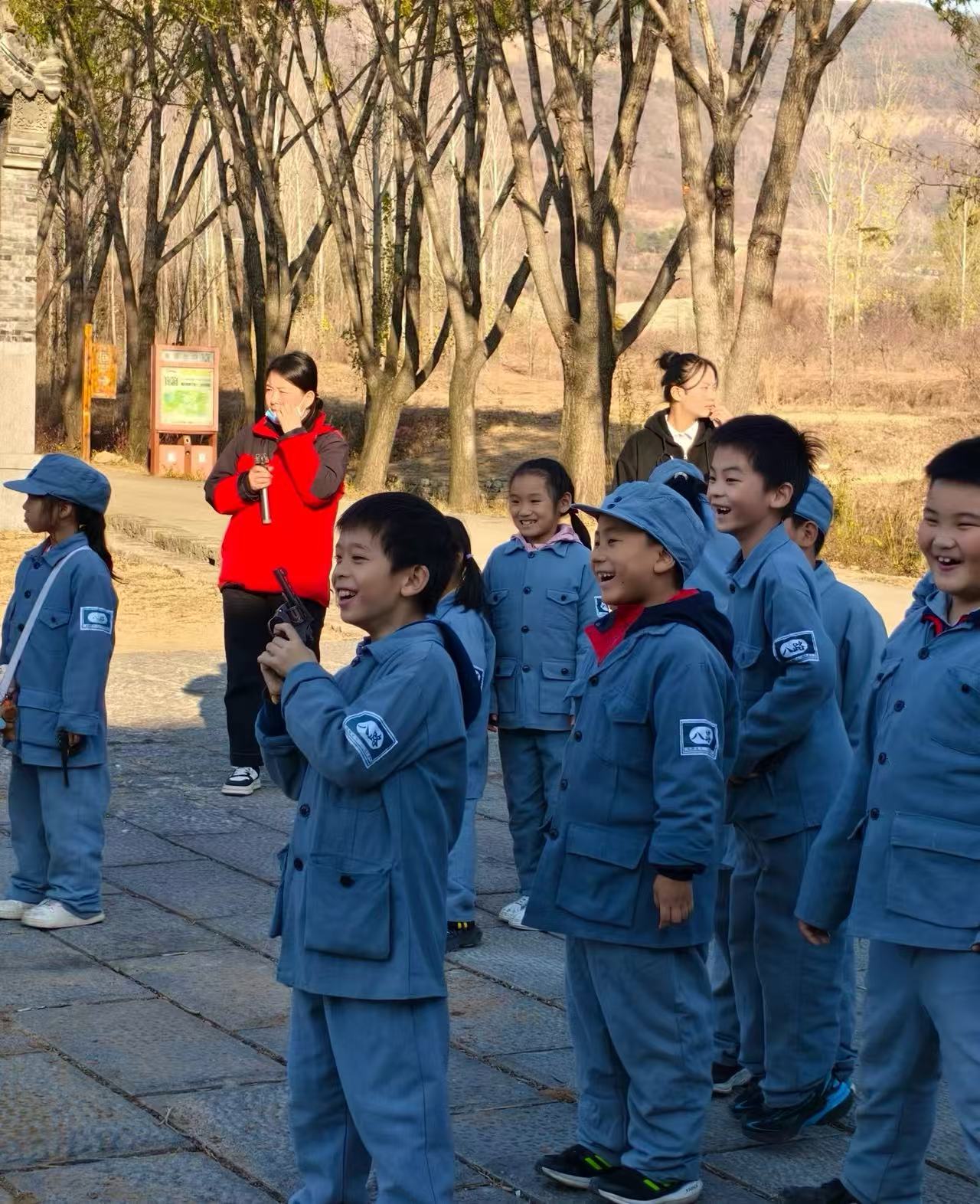
For experience designers, marketing agencies, and commercial real estate developers fretting over the slow death of sterile shopping malls, the Linyi model serves as a glaring, unignorable signal. It represents the physical manifestation of the "escape room" ethos applied to a macro-geographic scale, involving thousands of simultaneous participants interacting in real-time. Consumers are actively rejecting sterile, frictionless environments. They demand physical cardiovascular friction wrapped in absolute historical authenticity.
Signal Two: Breaking the Fourth Wall
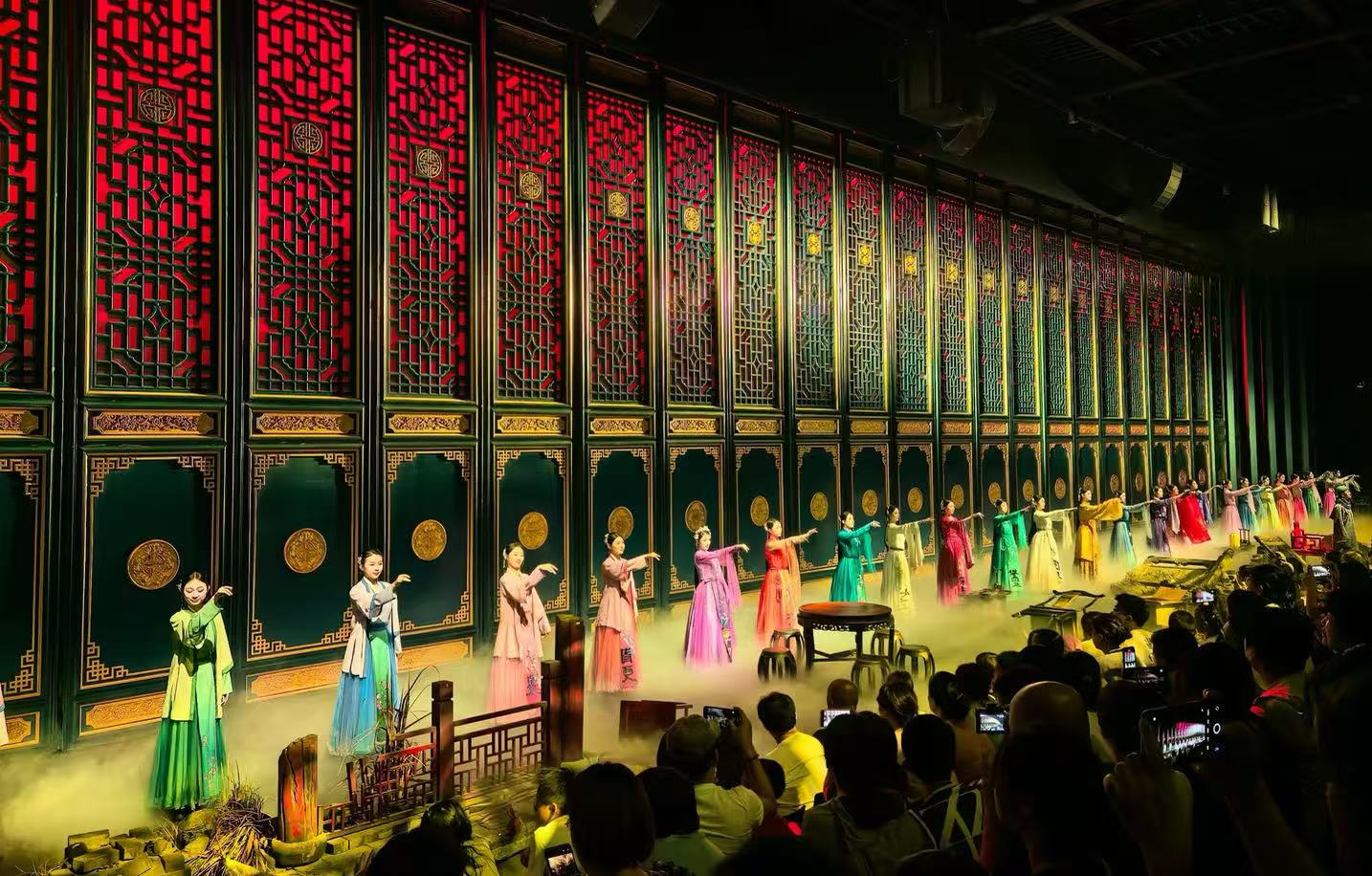
If Linyi represents the ultimate physical immersion of sweat and toil, then the "Only Complete Red Mansion Drama Kingdom" located in Langfang, Hebei Province, represents the absolute zenith of psychological and aesthetic immersion. The Dream of the Red Chamber, universally recognised as one of China's Four Great Classical Novels, is frequently likened to a Chinese Romeo and Juliet in its cultural gravity. Today, the intricate settings, complex family dynamics, and tragic characters from this timeless masterpiece have been forged into a sprawling, tangible fantasy city. Covering hundreds of acres, it operates as a "living dreamscape" that flawlessly fuses surrealist architecture with multi-dimensional, interactive theatre. By early 2026, this grand artistic landmark had cumulatively welcomed nearly 13 million visitors and staged approximately 24,000 live performances. Drawing over 80% of its footfall from outside the local Langfang area, it has firmly established itself as a top-tier global centre of cultural gravity.
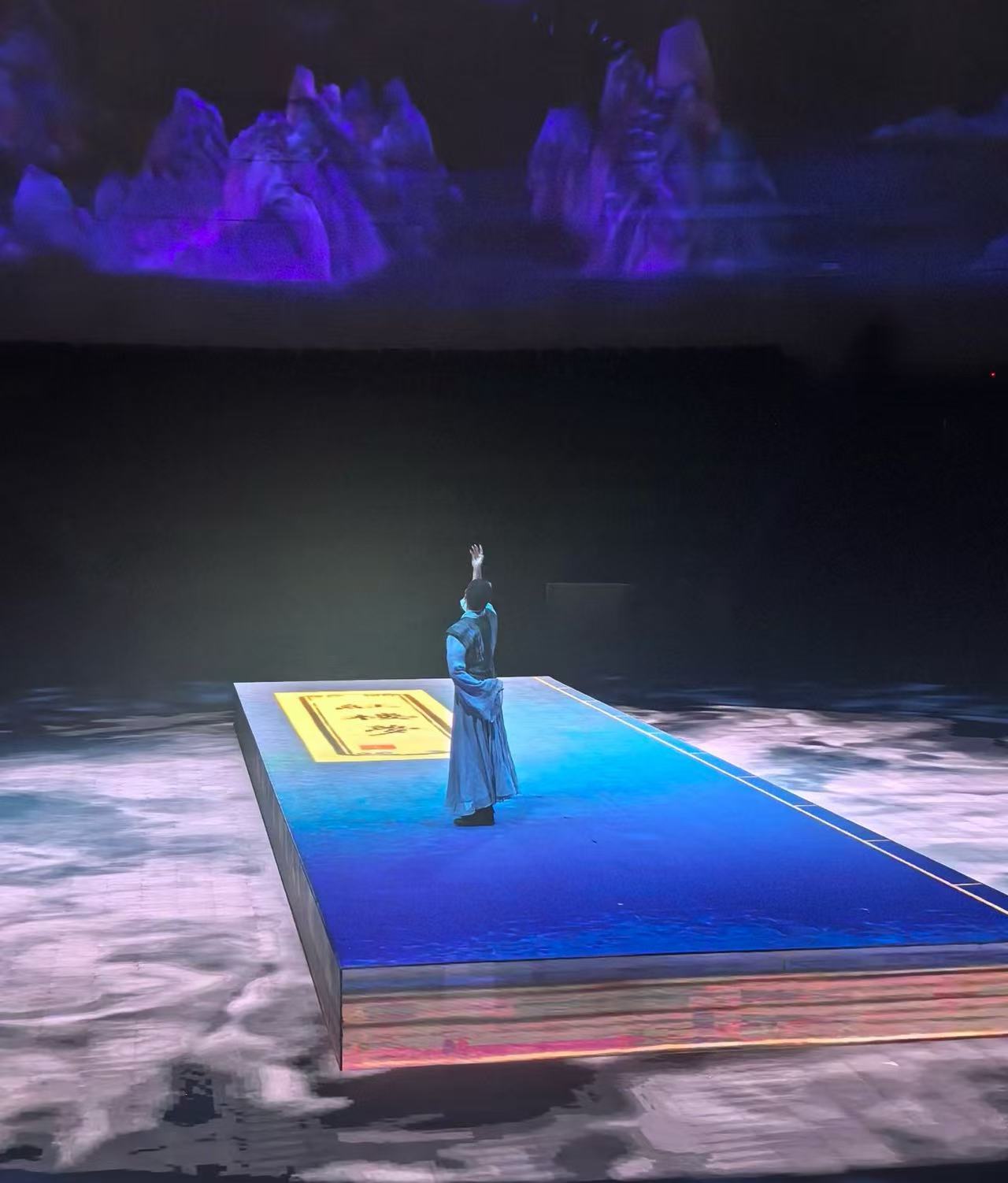
The most captivating magic of this "fantasy city" lies in its complete, ruthless obliteration of the spectator's traditional "I am watching a play" perspective. It has engineered 21 immersive theatrical masterpieces that blur the cognitive lines between reality and illusion, alongside 108 exquisitely labyrinthine physical spaces. It does not force the visitor to decipher complex historical texts or understand the nuances of 18th-century Qing Dynasty politics; rather, it invites them into an "emotional blind box". A visitor might sit at an old, scarred 1980s school desk in the "No. 35 Middle School" theatre and, even with a complete language barrier, be instantly struck by a universal, profound feeling of youth and nostalgia. Alternatively, wandering through the "Truth and Fiction" theatre, one might be walking through what appears to be a backstage dressing room, only to suddenly find oneself standing dead centre in the spotlight, forced to act alongside seasoned professionals. Here, an 18th-century Chinese epic is masterfully deconstructed into a fantastical journey regarding everyone's inner psychological world, allowing every individual who steps inside to complete a profound spiritual crossing from a passive "spectator" to an active "character within the play" amidst minimalist pure-white walls and shifting light and shadow.
Signal Three: Co-created Ecosystems and the "Failure Premium"
Beyond large-scale, heavily capitalised theatrical productions, the 2026 May Day period also witnessed a massive proliferation of micro-immersive experiences rooted deeply in the comprehensive activation of intangible cultural heritage supply chains. Unlike traditional theme parks heavily reliant on fragmented, sterilised, and tightly controlled interactions, the Chinese model tightly binds authentic productive labour with historical logic.
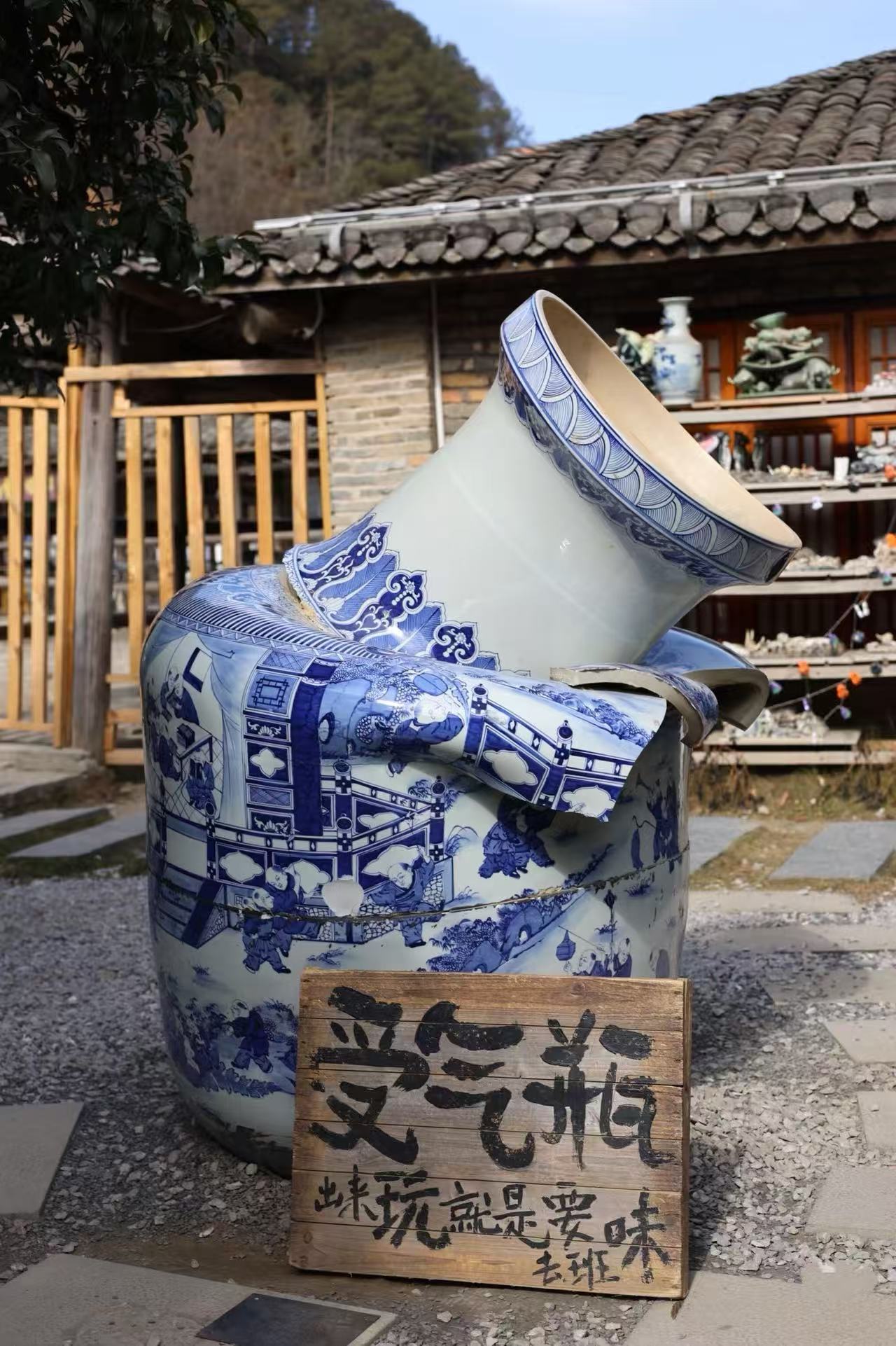
In Jingdezhen, globally renowned as China's porcelain capital, tourists no longer arrive merely to purchase finished, flawless goods from air-conditioned gift shops. They come specifically to participate in the perilous, highly unpredictable life cycle of ceramics. They forage for raw clay, throw the potter's wheel, and personally load the blazing kilns. Crucially, they assume the authentic, unmitigated risks inherent in ancient craftsmanship, such as the notoriously low 30% success rate of firing traditional Jun porcelain. The possibility of failure—of opening the kiln to find a shattered ruin—is no longer a defect to be optimised away by risk-averse product managers; it is boldly packaged as a core selling point, a physical manifestation of the Eastern philosophy of "unity of heaven and humanity" in the act of creation. Couples in the throes of romance can labour together to craft a hugging porcelain piece to serve as an entirely unique, perfectly imperfect vase in this world, containing their irreplaceable love. The valuation that modern consumers place on flawed, self-made items is exponentially higher than that of perfect, mass-produced alternatives.
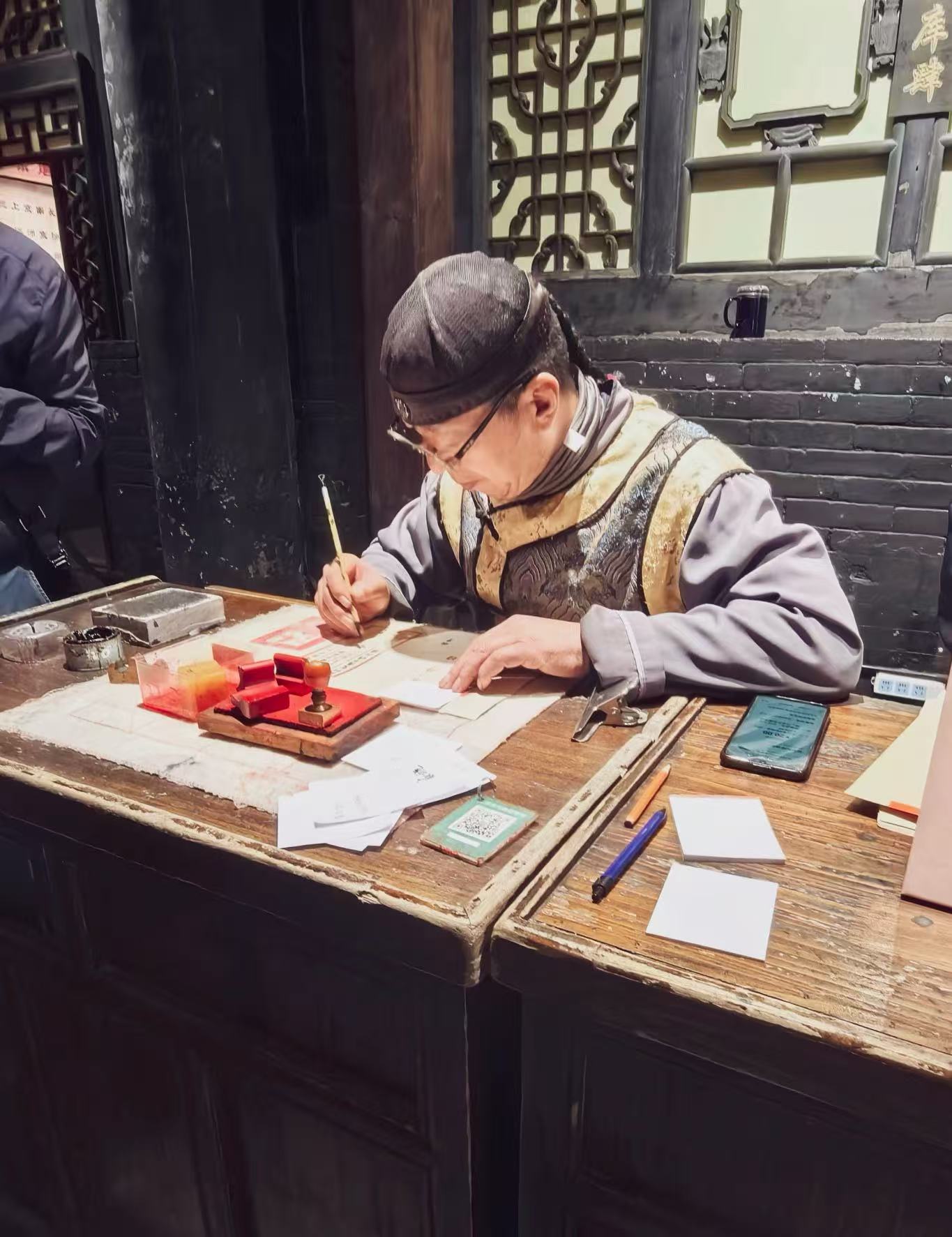
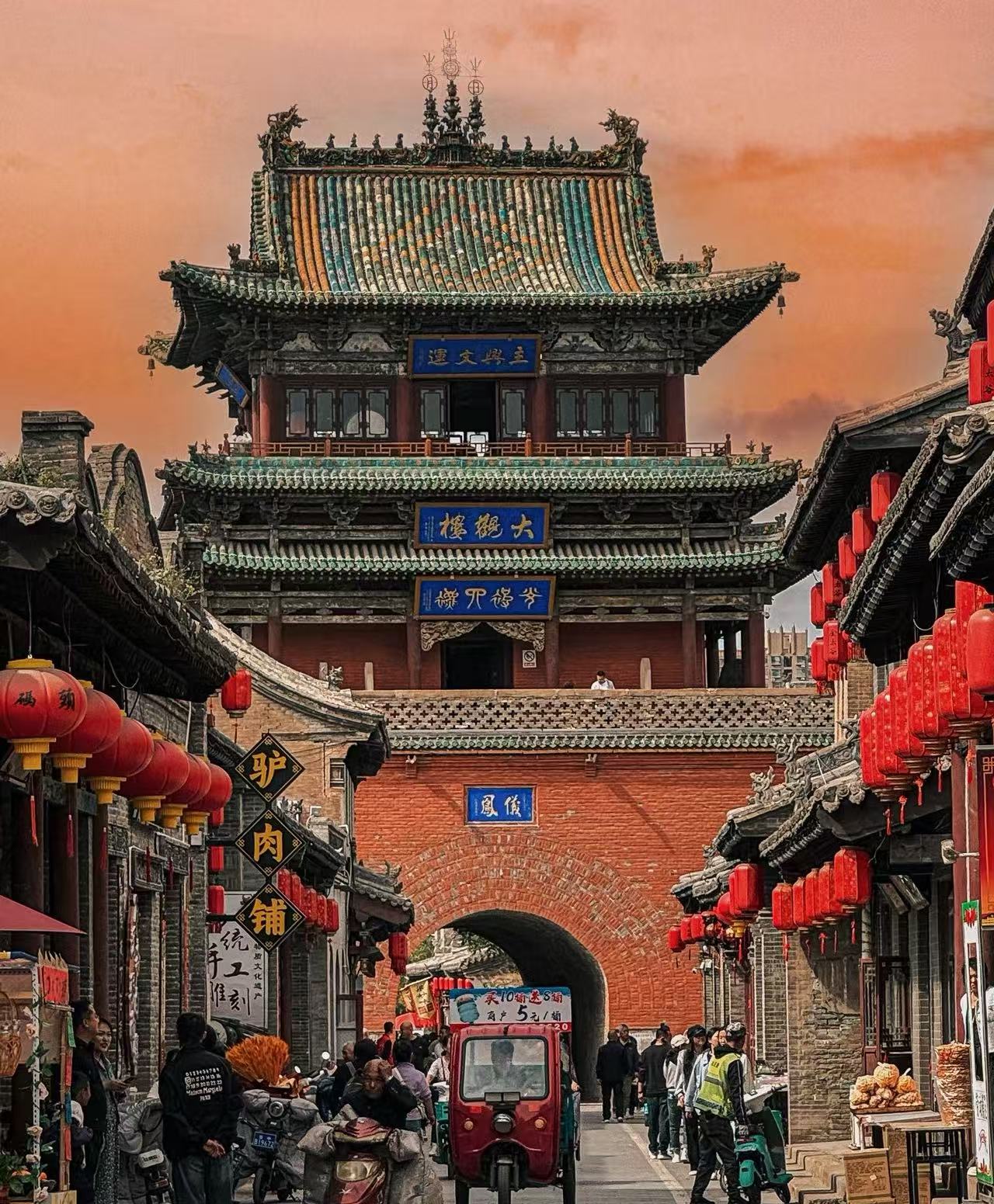
This exact identical logic applies to the "draft bank apprentice" programme located in the ancient walled city of Pingyao, Shanxi Province. Here, a grueling 72-hour deep immersion project requires tourists to genuinely learn complex abacus bookkeeping, discern the physical purity of silver ingots, and simulate the rigorous anti-counterfeiting procedures of historical draft banks. Only by passing strict, unforgiving examinations can they earn their certification. Similarly, the Millennium City Park in Kaifeng has implemented a highly dynamic role-allocation system where tourists must use "Jiaozi" (authentic Song dynasty paper currency) to complete complex transactional quests; logical errors in trading do not result in a game-over screen, but rather lead the narrative plot down entirely different, unforeseen branches.
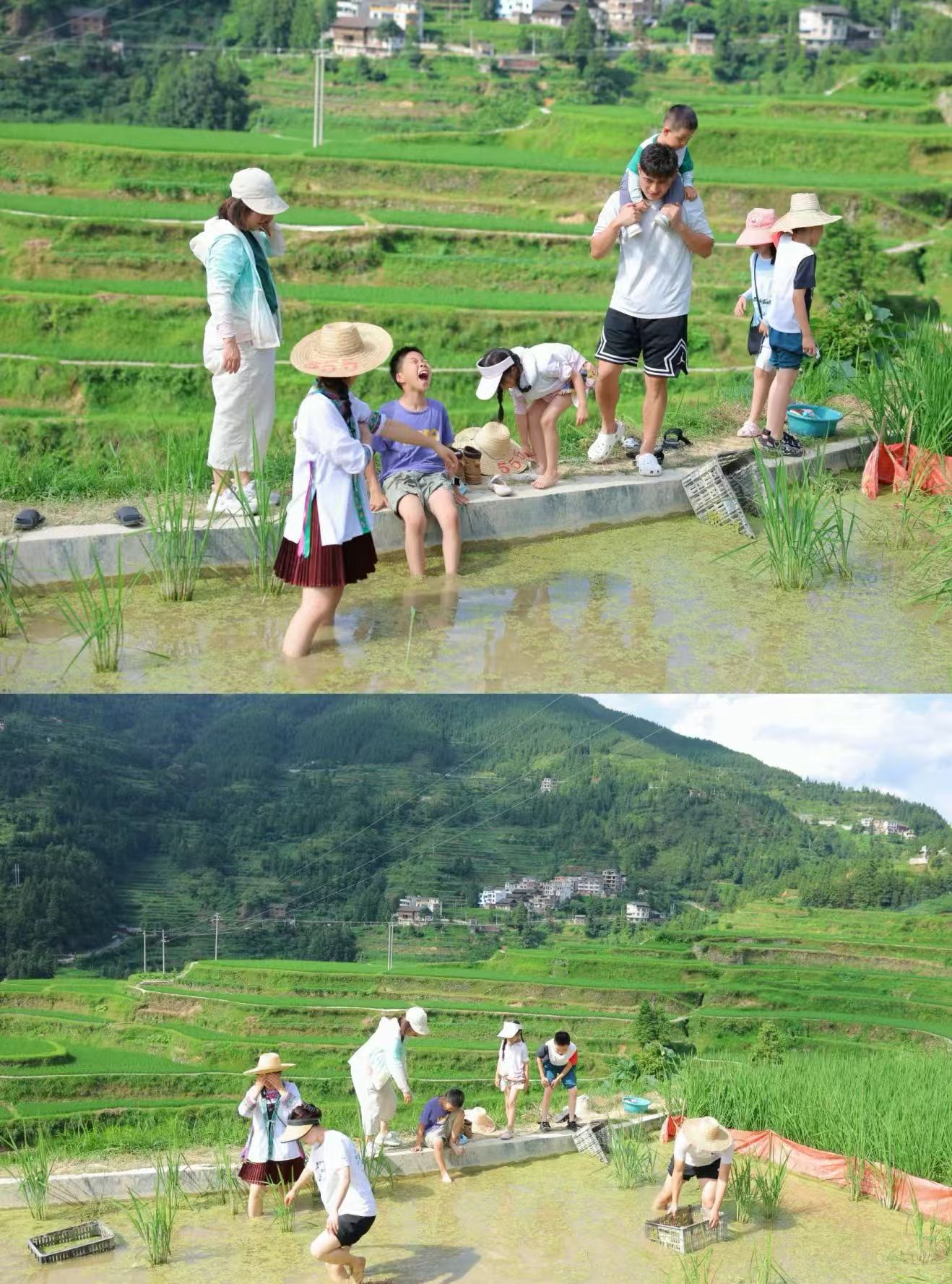
In the Huanggang Dong Village of Guizhou, tourists pay to participate in the ancient "rice-fish-duck" symbiotic agricultural system, planting rice and catching fish in strict, unyielding adherence to lunar phases and traditional ecological rhythms. This back-breaking labour is elevated into a philosophical masterclass on ecology, deeply binding physical toil with the indigenous cosmological worldview, moving far beyond the sanitised, passive models of Western eco-tourism.
Signal Four: The Rise of "Treasure Cities"
When hundreds of millions of travellers move simultaneously across a single landmass, avoiding high-density crowds transitions rapidly from a mere lifestyle preference into the ultimate luxury. This dynamic birthed the "treasure city" (Baozang Xiaocheng) phenomenon during the 2026 May Day holiday. Surging tourist flows, traditionally monopolised by Tier-1 super-IPs such as Beijing, Shanghai, and Hangzhou, were forcefully and deliberately diverted towards niche, aesthetically rich Tier-2 and Tier-3 cities.
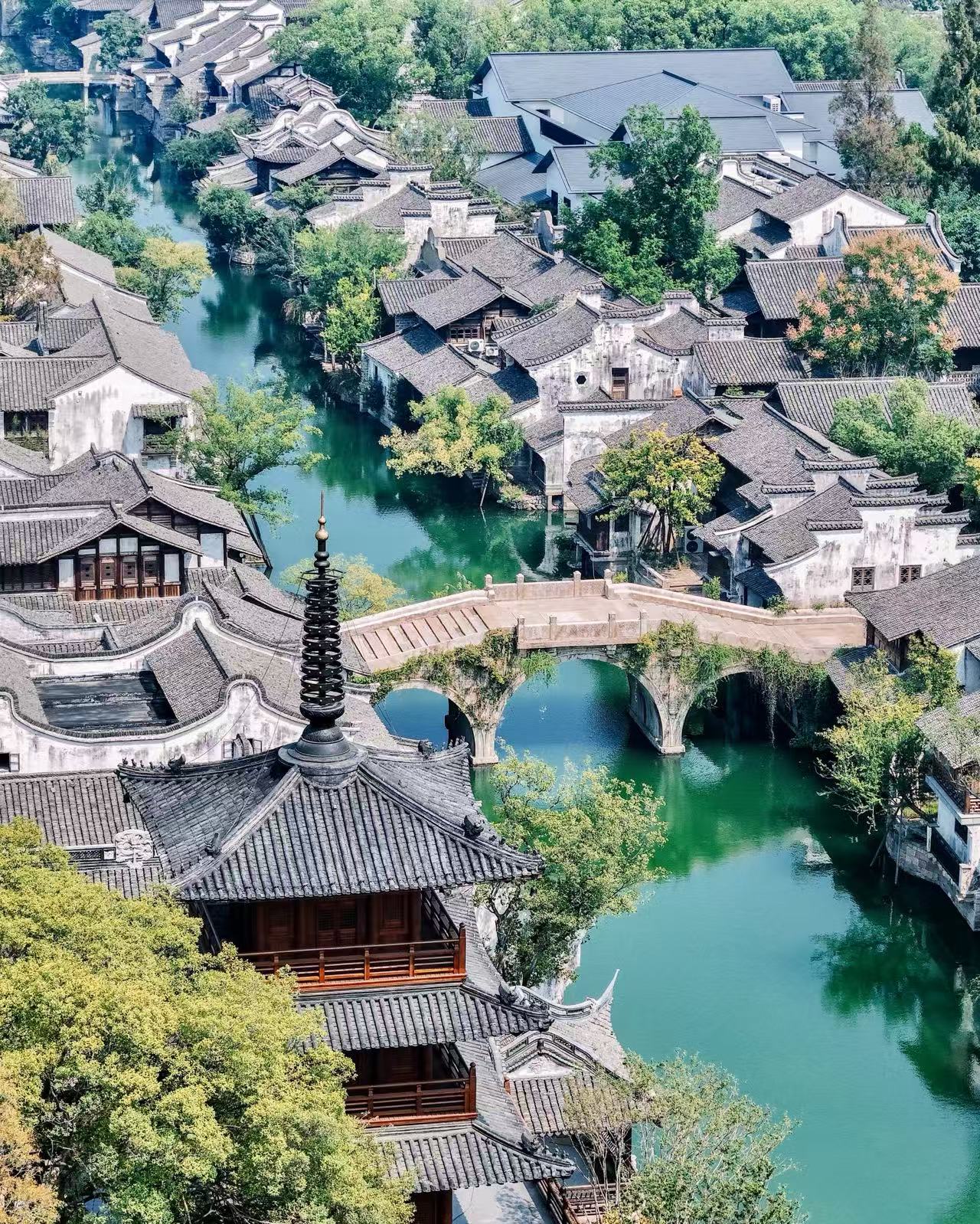
Destinations that successfully broke through the noise included Yibin in Sichuan, Tongren in Guizhou, Ganzhou in Jiangxi, Guangde in Anhui, Longyan in Fujian, Jinzhou in Liaoning, Lishui in Zhejiang, Xuzhou in Jiangsu, Jiyuan in Henan, and Xinzhou in Shanxi.
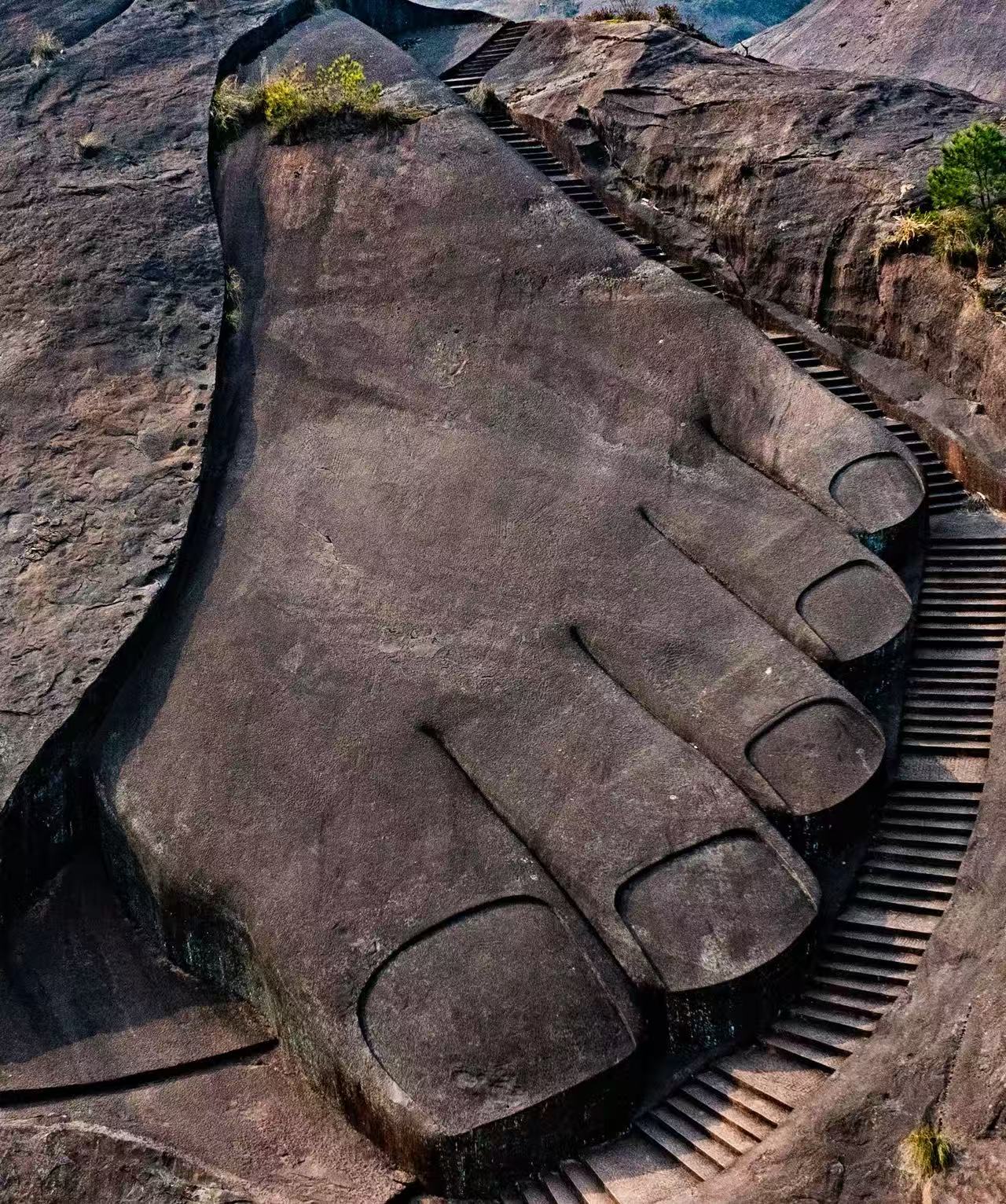
This radical geographic decentralisation marks the rapid, sophisticated maturation of consumer aesthetics. The modern traveller no longer extracts basic social validation by checking in at globally renowned, overcrowded landmarks. The new hard currency of luxury travel is the discovery of an unspoiled, aesthetically pure enclave that offers exceptionally high cost-performance, extremely low population density, and profound, ungentrified local colour.
Cross-Border Strategy for Western Operators
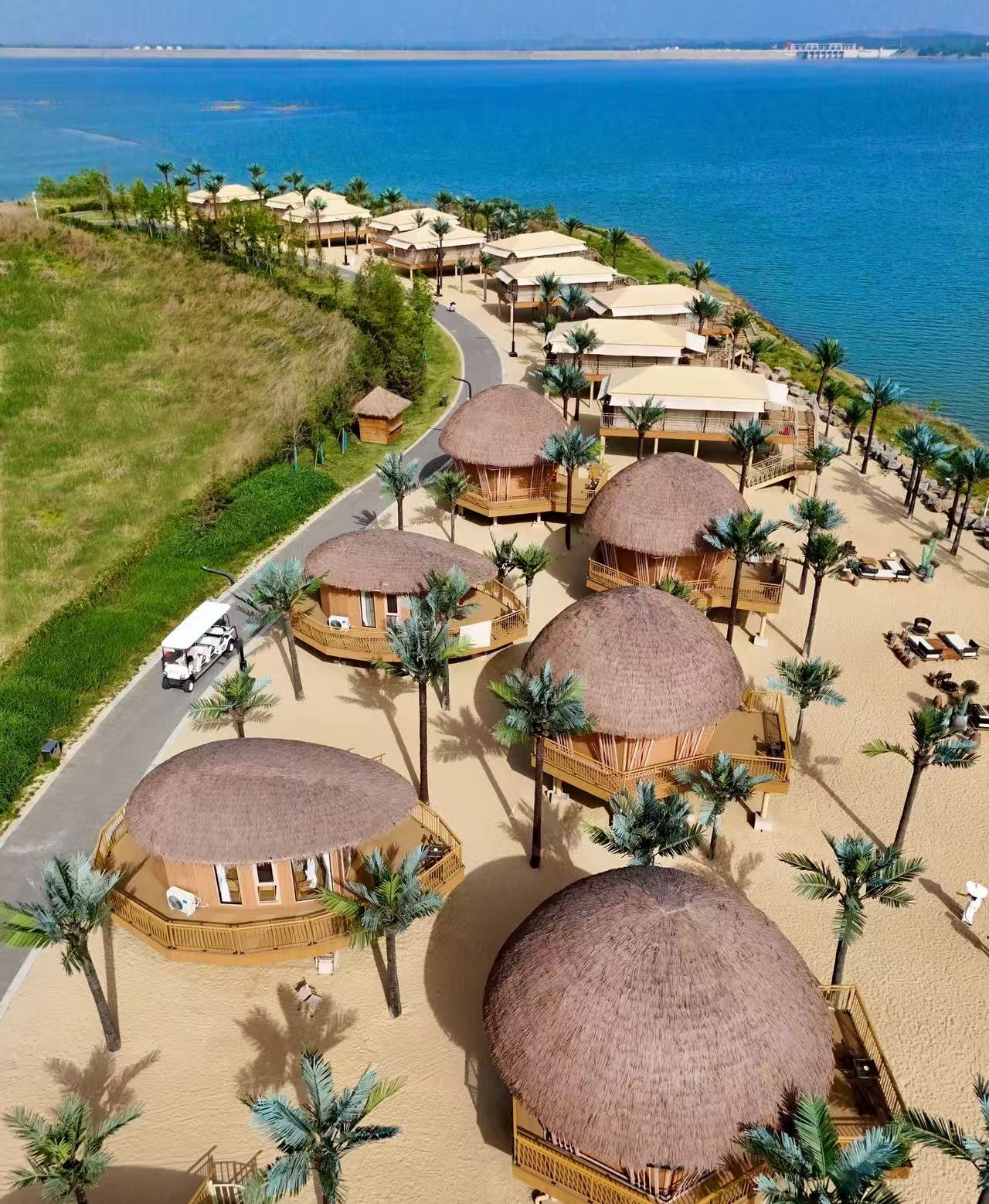
For e-commerce operators, SaaS founders, and marketing agencies aiming to capture premium spend, the playbook must be entirely rewritten. Cease marketing the "seamless ease of use" of your products. If you are selling an Amazon FBA craft kit, market its steep learning curve, its historical authenticity, and the very real likelihood that the user will completely botch the assembly on their first attempt. If you are a destination marketer, do not market a location's fame or its frictionless transport convenience. Market its isolation, its slow pace, and its uncompromising sense of aesthetic purity. Affluent consumers are proactively hunting for "anti-tourist" destinations and "anti-convenience" products.
Product Dimension |
Traditional Travel Paradigm |
2026 Immersive Paradigm |
Commercial Imperative |
|
Historical Tourism |
Audio guides, glass display cabinets, passive sightseeing. |
Physically exhausting live-action role play, physical props, cardiovascular friction. |
Set high premiums for engineered physical friction and strict historical authenticity. |
|
Cultural Heritage |
Purchasing finished souvenirs in gift shops. |
Full-process co-creation; embracing the risk of failure. |
Monetise the production process and raw materials, rather than the final finished product. |
|
Theme Parks |
Queuing for rides, strict separation of actors and audience. |
Breaking the fourth wall; endowing tourists with narrative sovereignty. |
Provide dynamic, algorithm-driven script branching for physical spaces. |
|
Destination Selection |
Super-megacities, Tier-1 landmarks, high density. |
"Treasure cities", low density, aesthetic isolation. |
Decentralise marketing; prioritise "anti-tourist" authenticity and low density. |
The Capital Hunter: The Super-Cycle of "Cultural Empowerment"
To effectively track the vast flows of institutional capital in China, one must first decode the macroeconomic policy frameworks that rigidly dictate state priorities. Venture capital in this market does not merely seek pure, chaotic disruption; it dutifully follows the baton of government policy. On May 7, 2026, at the Forum on Global Exchanges and Mutual Learning Among Civilizations held in Athens, Greece—an event marking the 20th anniversary of the China-Greece comprehensive strategic partnership—the Xinhua Institute, a national high-end think tank affiliated with Xinhua News Agency, released a landmark 21,000-word report. Titled "The Theory of Cultural Empowerment: China's Cultural Consciousness in Marching Toward High-Quality Development", this document serves as a watershed moment in economic planning.
This document is by no means a dry academic exercise or a rigid, perfunctory bureaucratic output; it is the absolute, uncompromising blueprint for capital allocation in the world's second-largest economy over the coming decade. It officially reclassifies "culture" from a soft, ethereal superstructure element into a hard-core, primary productive force. The report explicitly outlines how cultural values will dictate the trajectory of industrial upgrading, technological application, and urban-rural integration. For foreign investors, asset managers, and market strategists, parsing this document provides a crystal-clear view of exactly where state subsidies, institutional venture capital, and massive infrastructure investments are currently, and furiously, pouring in.