Issue Date: April 27, 2026 - May 3, 2026
Key words: Zero Tariffs, Sino-African Trade Upgrade, Time Machine Theory, Zhida / Direct Reach, Supply-chain Architecture, Green Lane, Digital Traceability / e-CoO, Niche Botanicals / Cash crops, Infrastructure as Equity
Weekly Message
As the clock struck midnight on May 1st 2026, an articulated lorry laden with 24 tonnes of South African "Flash Gala" apples rolled slowly through the checkpoint at Shenzhen Bay Port. Aided by the advance deployment of customs-facilitation measures and a digital-oversight system, the cargo cleared supervisory inspection swiftly. At the precise moment this policy took effect, the import tariff on these apples fell from the standard 10% to zero. This was no mere procedural tweak, nor a fleeting seasonal promotion. Rather, it was the physical manifestation of a macroeconomic earthquake, one that is ruthlessly dismantling and rebuilding the existing supply-chain architecture of the developing world. From that moment, the People's Republic of China unilaterally implemented 100% zero-tariff coverage across all tax items for the 53 African nations with which it has diplomatic ties.
To grasp the sheer scale of this event and its cascading commercial effects, you must strictly apply the core framework of this briefing: the Time Machine Theory. While markets, venture capitalists and regulators in some advanced economies remain bogged down in endless internal squabbles over domestic protectionist tariffs, artificial intelligence governance frameworks and the micro-optimisation of already saturated software-as-a-service (SaaS) ecosystems, China is strategically rewiring the physical and digital infrastructure of global trade. The Time Machine Theory posits that the commercial behaviours, capital flows and supply-chain innovations occurring right now within China's macroeconomic orbit will dictate the underlying fundamentals of global markets over the next 6 to 18 months. The events in Shenzhen on May 1st broadcast a crystal-clear signal to anyone paying attention: the geoeconomic centre of gravity for global agriculture, cosmetics and light-manufacturing supply chains has officially shifted.
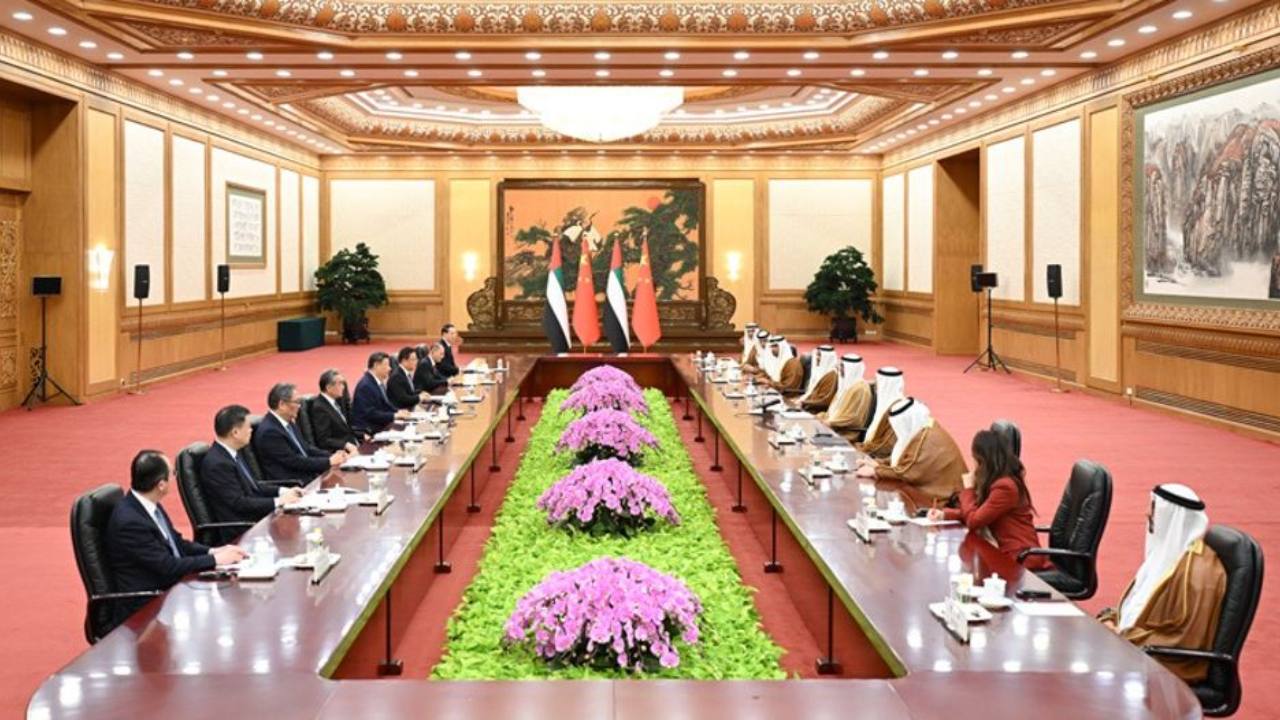
This sweeping policy builds directly upon foundational measures introduced in December 2024, when China granted zero-tariff status to 33 of Africa's least-developed countries. The critical evolution in this May 2026 window is the expansion of the exemption ring to encompass the continent's remaining 20 non-least-developed nations, drawing economic heavyweights and advanced agricultural producers—such as South Africa, Nigeria, Kenya and Egypt—into this "frictionless trade zone". The underlying architecture supporting this initiative is defined by Beijing as "three full coverages": geographic full coverage (all African nations with diplomatic ties), tax-item full coverage (from raw ores to deep-processed consumer foods), and institutional guarantee full coverage (the deployment of digital "green lanes", automated customs protocols, and mutual recognition of sanitary and phytosanitary inspections).
Product Hunter: decoding the new commodity flows
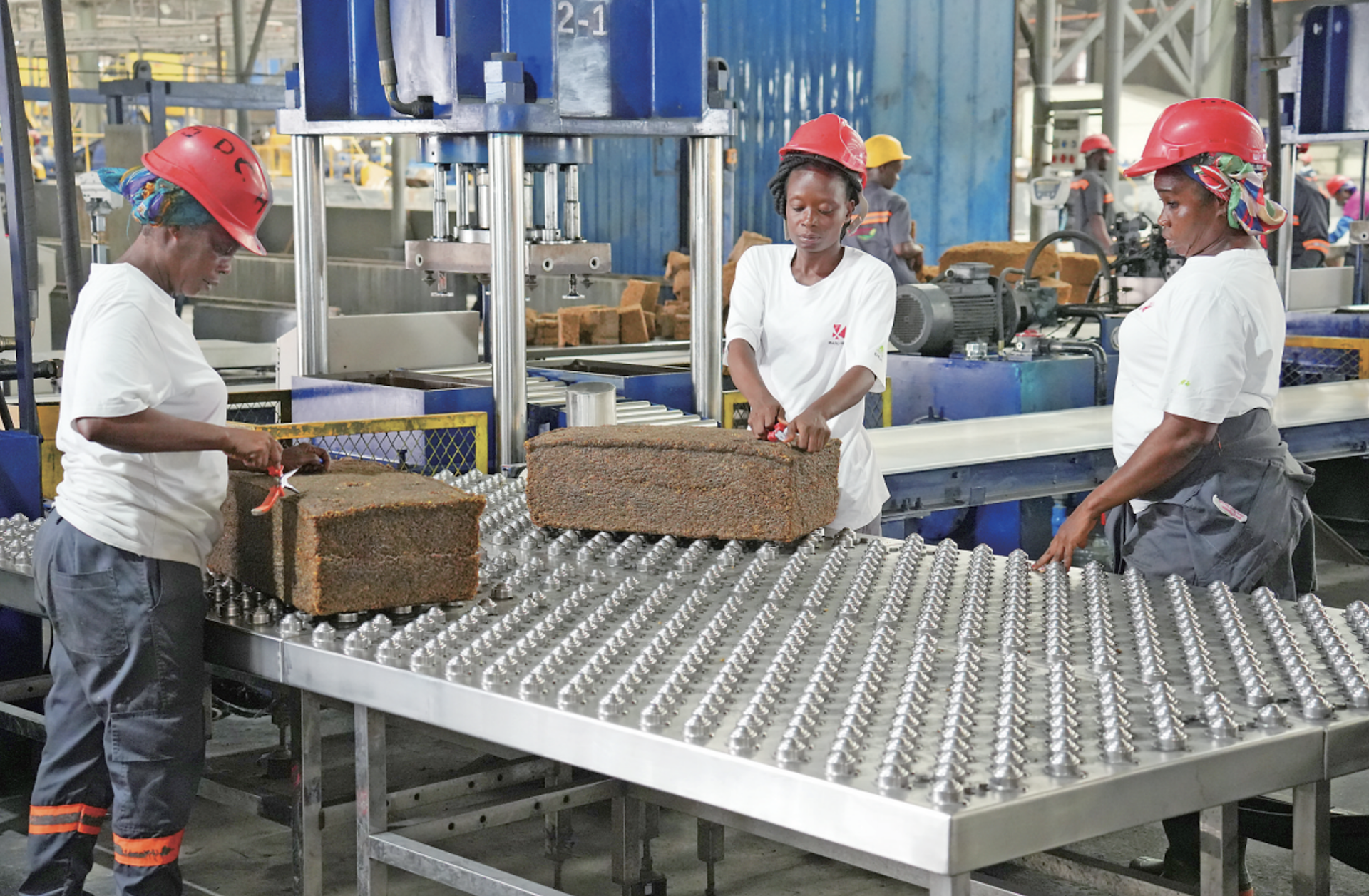
The most direct and tangible impact of the May 1st zero-tariff policy is clearly visible in the physical goods crossing borders and filling Chinese warehouses. Yet for our readers, the true commercial arbitrage opportunities lie not merely in reselling these commodities themselves, but in the software architectures, marketing narratives and processing chains absolutely necessary for these goods to survive and scale within China's hyper-competitive, highly digitalised consumer market.
South African apples and the arithmetic of the "green lane"
The first batch of South African apples arriving at Shenzhen Bay Port is a perfect case study in decoding the unit economics of the new tariff regime. Prior to May 1st 2026, these premium apples faced a 10% most-favoured-nation import duty, a trade barrier that directly eroded their price competitiveness against domestic Chinese fruit in the same season, as well as against a flood of low-cost fresh fruit arriving from South-East Asia.
The financial arithmetic of this single, historic consignment reveals broader structural changes to cross-border trade practitioners. By averting the 10% tariff, the importing agent, Shenzhen Jianchengye International Freight Forwarding Co., Ltd., saved roughly 20,000 yuan in costs on just this one container. If this figure is extrapolated across the enterprise's annual import volume, it translates into millions of yuan in cost savings, directly unlocking substantial profit margins.
|
Supply-chain metrics |
Pre-May 2026 trade paradigm |
Post-May 2026 trade paradigm |
Strategic economic implications for global operators |
|
Baseline import tariff rate |
10% most-favoured-nation rate |
0% preferential rate |
Direct, stable enhancement of profit margins for importers, distributors and downstream retail channels. |
|
Single-container operating costs |
10% import duty levied on top of the cargo's dutiable value |
Dutiable value stands as the core cost (yielding roughly 20,000 yuan in tariff savings per container) |
Enterprises gain greater terminal pricing flexibility; they can surrender margin to capture market share, or fatten profits to strengthen supply-chain investments. |
|
Level of customs facilitation |
Conventional declaration and inspection; requires advance preparation of paper certificates of origin |
Upgraded General Administration of Customs "green lane" plus networked verification of electronic certificates of origin, enabling rapid clearance |
Drastic reduction in port dwell times for fresh goods, lowering cold-chain storage costs and effectively cutting transit spoilage for perishables. |
Data source: Official announcements from the General Administration of Customs; public interview transcripts with import enterprise executives
However, fixating solely on tariff cuts means seeing only half of the commercial equation. The accompanying upgrade to the "green lane" system possesses an even more critical strategic value for long-term supply-chain optimisation. China's General Administration of Customs has comprehensively optimised quarantine access procedures for African agricultural and food exports, deploying a scientific, risk-based management system. Today, low-risk products can achieve accelerated access through consolidated risk assessments and unified entry inspection requirements, while the access cycle for medium- and high-risk goods is compressed via optimised evaluation processes and prioritised remote inspections. This practically resolves the historical pain points of protracted, multi-stage approval processes that previously plagued African exporters.
Rwandan chillies and the rise of African "super-botanicals"
If South African apples represent a profit leap for mature agricultural trade following cost optimisation, Rwandan chillies exemplify the explosive vertical growth of niche, high-value cash crops. The Chinese market has a massive and stable demand for distinctly spicy red chillies in catering and processing, and the continuous implementation of zero-tariff policies for Africa has sparked an unprecedented capacity upgrade right in the fields of East Africa.
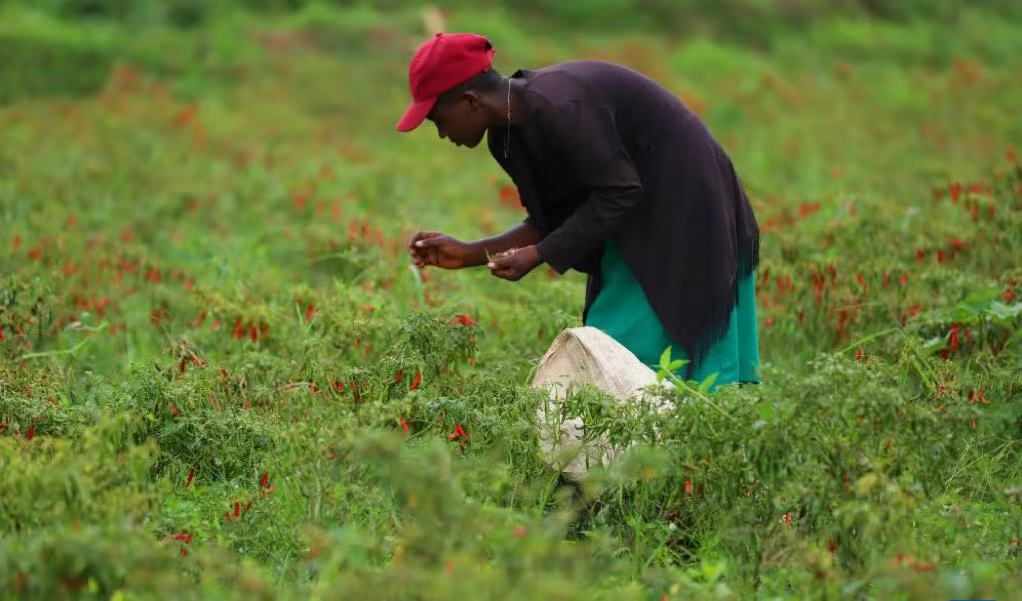
In the fields of the Kayonza district in eastern Rwanda, local agricultural firms like Fisher Global have undergone a remarkable metamorphosis over the past 36 months. Starting from a 15-hectare experimental chilli plot in 2022, and alongside the steady rollout of China's zero-tariff policy for Africa, the company has systematically expanded its planting scale to 300 hectares. This steady scale-up has directly transformed local chillies from a basic subsistence crop into a core cash crop driving farmers' income growth, vastly boosting local employment and fundamentally reshaping the regional agricultural economic structure. Today, the firm can routinely export 200 to 300 tonnes of dried chillies to China annually, and has formulated long-term plans to build new capacity-supporting infrastructure in pursuit of an annual export target of 1,500 tonnes.
Meanwhile, in the lucrative fast-moving consumer goods (FMCG) sector, a completely different yet equally promising trend is emerging. China's premium beauty and personal-care market—a field famous for rapid iteration and high receptiveness to new ingredients and stories—is paying continuous attention to the application value of "signature African botanicals". Plant materials that were once confined to niche health-food shops or local traditional uses are now, via active-ingredient extraction technologies, becoming the core selling points in high-end skincare formulations and gaining increasing market traction.
Rooibos extract is the quintessential example. This plant, which grows only in the mountainous regions of South Africa's Western Cape province, is rapidly jumping from a tea ingredient to a popular formulating component for skincare serums. Scientifically proven to be rich in flavonoid antioxidants and minerals such as zinc, it is currently having its anti-oxidative and soothing repair efficacies validated by cosmetic laboratories in both China and Japan, aligning perfectly with urban consumers' core demand for natural skincare ingredients. Although South Africa has already formed a complete domestic supply chain for rooibos tea and personal-care products, the raw-material demand from Chinese cosmetics firms for this semi-processed botanical extract is displaying rapid growth.
Similarly, the market for African bamboo extract—which can be applied in skin and haircare formulations—has ushered in brand-new developmental opportunities. The global bamboo-leaf extract market is maintaining steady growth, and while Africa boasts abundant bamboo resources, it has long been restricted by insufficient processing technology; the vast majority of bamboo extracts used by local personal-care brands relies on imports from industrially mature nations like China. The zero-tariff policy fundamentally incentivises African manufacturers to reverse this industrial status quo. They now possess ample policy momentum to complete the deep processing of bamboo locally, producing high-value-added, cosmetic-grade active ingredients that can be exported legally and duty-free into China's cosmetic manufacturing ecosystem.