Issue date: March 23,2026 - March 29,2026
Key words: Emotional Arbitrage, $110 Energy Tax, Hormuz Paralysis, Stagflation Specter, Weaponized Indifference, Financial Stoicism, Period 9 Purple Fire Luck, Love My Aging Self, Eradication of "Romance Brain", Aggressive Frugality
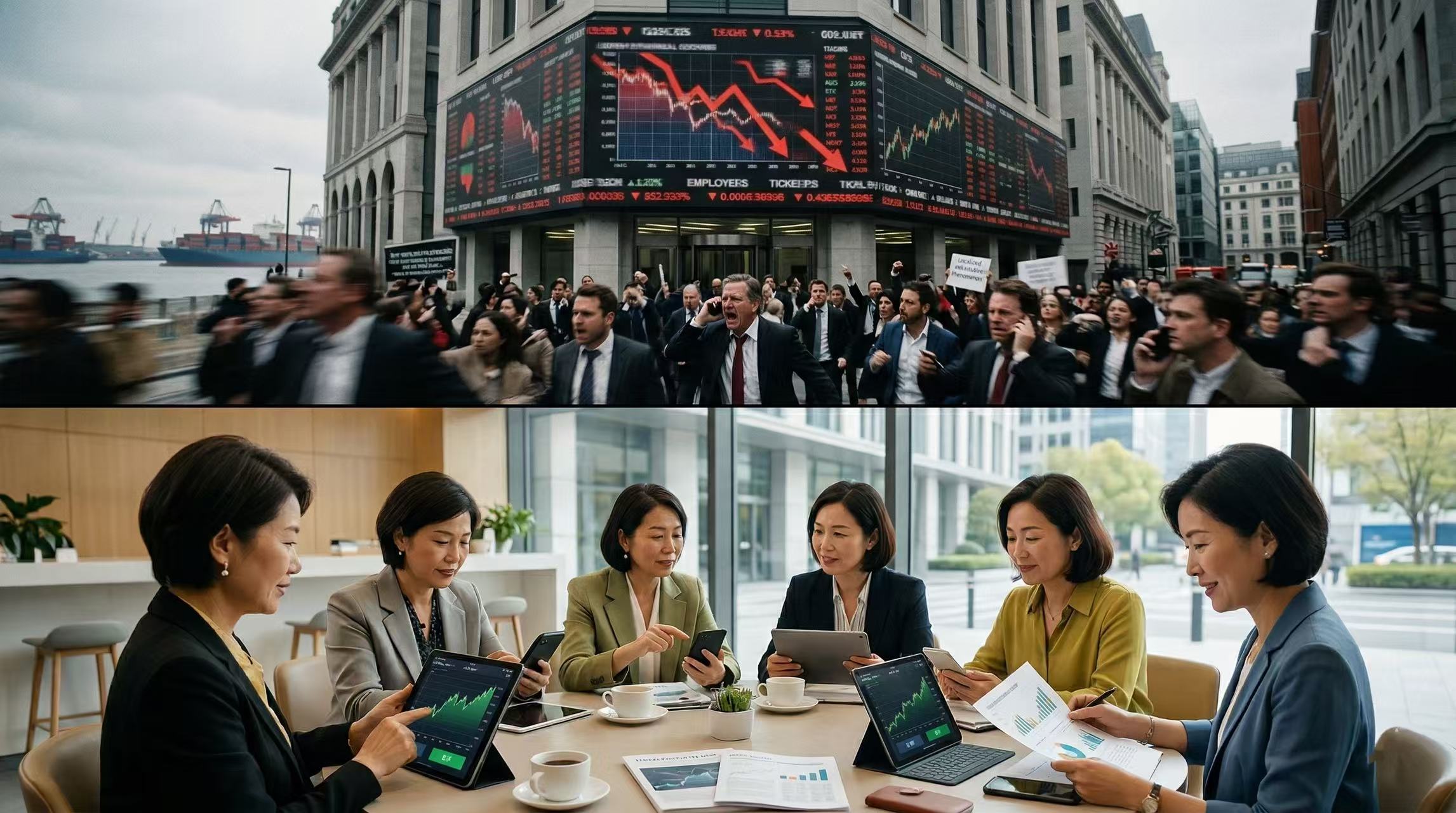
In the final week of March 2026, global behavioral economics exhibited a dramatic, almost cinematic rupture. As Western capital markets descended into a state of severe paralysis — triggered by the escalation of geopolitical conflict in the Persian Gulf, the subsequent severing of critical maritime supply chains, and an unexpectedly violent resurgence in global inflation — a highly localized and profoundly counter-intuitive phenomenon surfaced within the domestic retail equity market of China. Just as institutional investors executed a frantic, panicked retreat into cash equivalents, and global algorithmic trading desks synchronized their sell-offs of risk assets, a specific demographic colloquially known as the zhongnu (middle-aged women) orchestrated a masterclass in textbook emotional arbitrage. Rather than perceiving the contagion of macroeconomic terror as a fatal threat to their own financial survival, they identified it as a systemic, mathematically sound window for asset accumulation.
This analysis aims to decode the profound divergence underpinning this architecture. By scrutinizing the macroeconomic panic currently infecting global equities and juxtaposing it directly against the micro-innovations occurring within Chinese retail investment psychology, a profound structural shift becomes immediately apparent. For global portfolio managers, cross-border e-commerce merchants, SaaS developers, and content creators, deciphering the zhongnu is by no means an exercise in satisfying a distant sociological curiosity. Rather, it serves as a highly actionable, forward-looking indicator, revealing precisely how capital, consumption, and digital behavior will autonomously reorganize in an era defined by perpetual global turbulence.
The Product Hunter: A $110 Energy Tax and the Architecture of Global Panic
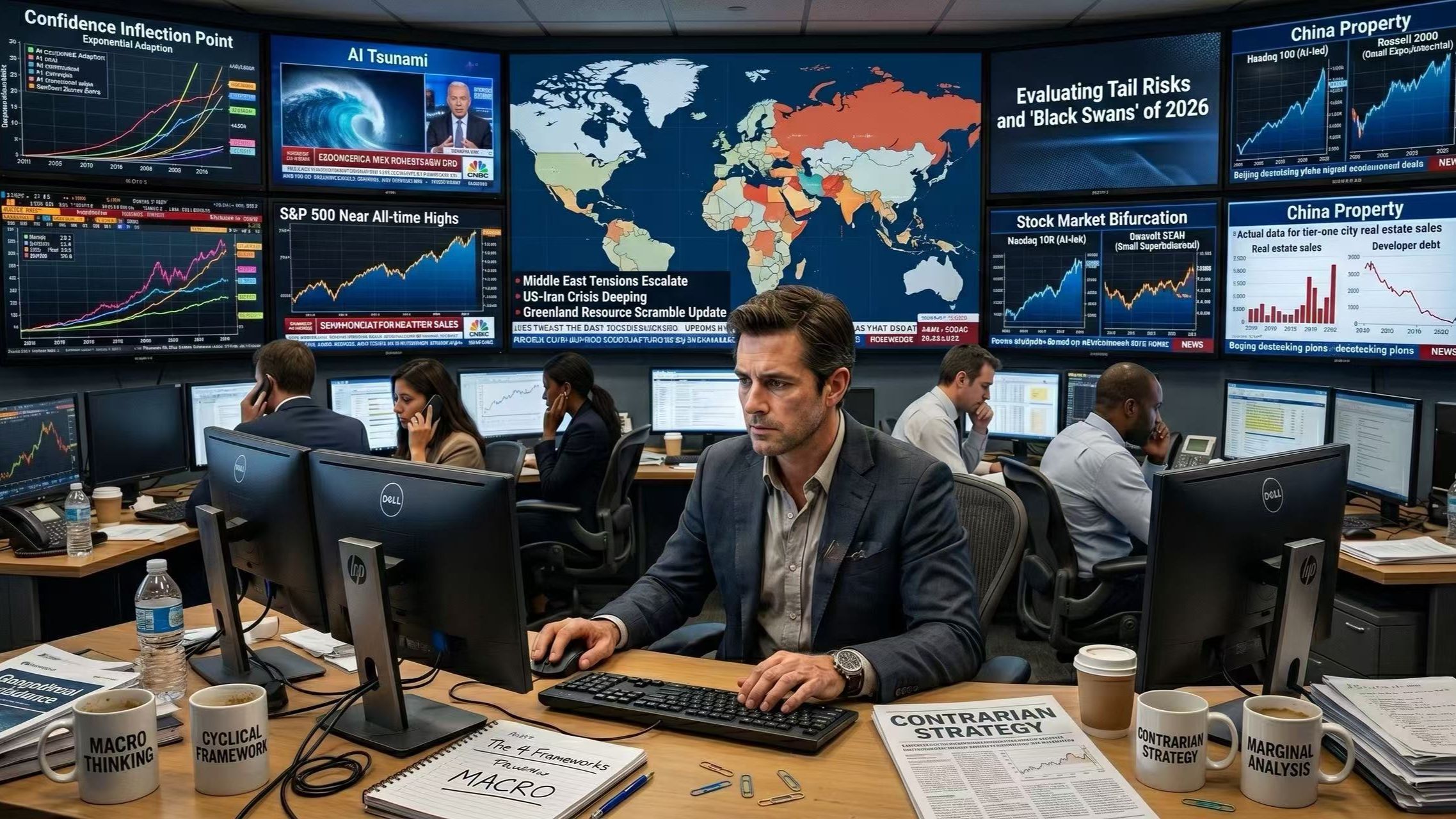
To fully comprehend the absolute statistical and behavioral aberration of the zhongnu accumulation pattern, one must first gauge the sheer depth of the terror currently engulfing the global financial system. The trading week of March 23 to March 29, 2026, was defined by extreme anxiety and dislocation. As of this writing, the Volatility Index (VIX) has spiked to near 27, while the CNN Fear & Greed Index has plummeted to 15, broadcasting an unequivocal signal that market participants are trapped in a state of "extreme fear". Furthermore, gold, traditionally revered as the ultimate safe-haven asset, endured its worst performance in four decades, suffering a single-week collapse of 10.6% to close below $4,500, with further tests of downside support remaining highly probable this week. Even the most reliable harbor for risk-averse capital has lost its ability to shield investors from the storm.
The cornerstone of this systemic panic is the severe geopolitical escalation in the Middle East that began on February 28, effectively paralyzing shipping operations through the Strait of Hormuz — a maritime artery responsible for transporting approximately 20% of the world's petroleum and liquefied natural gas (LNG) supplies. These disruptions triggered a violent surge in Brent crude prices, which hit $111.81 a barrel on March 23, with intraday highs touching the $120 threshold. In strict economic terms, this equates to the instantaneous levying of a massive, unlegislated "energy tax" on the global real economy. The shockwaves of this tax are rapidly destroying global equity valuations through three distinct yet overlapping transmission mechanisms.
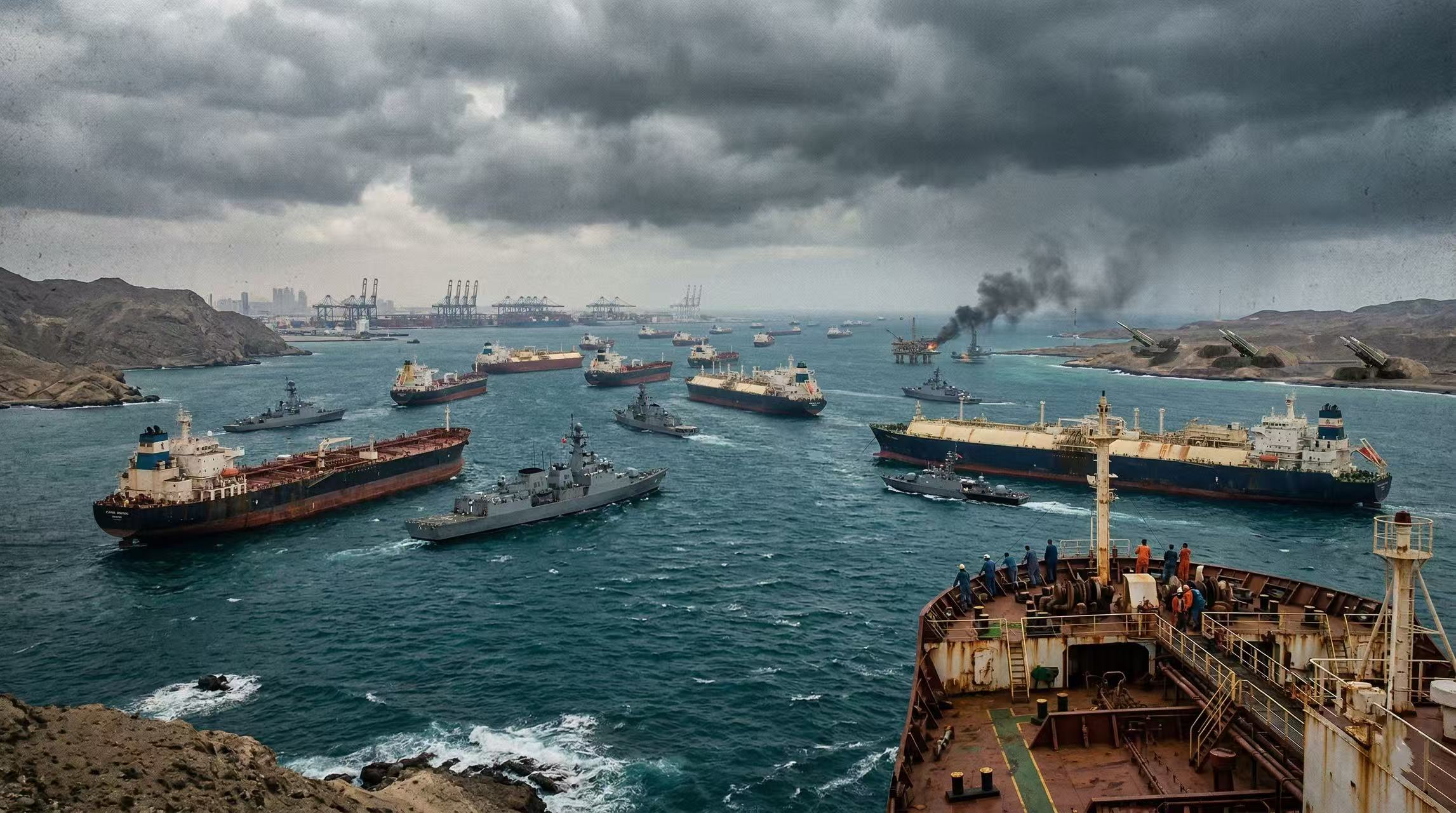
Corporate Profit Compression and Supply Chain Ruptures
The primary victim of any sudden energy shock is corporate operating margins. Retaliatory strikes in the Persian Gulf have successfully crippled 17% of Qatar’s LNG export capacity, an infrastructure catastrophe that energy analysts project may take up to five years to fully rectify.When Brent crude sustains levels above $110 a barrel, the operational expenditures across shipping, aviation, heavy manufacturing, and chemical production escalate exponentially within a matter of days.
If these enterprises are unable to seamlessly pass these soaring input costs onto a global consumer base already exhausted by inflation, their profit margins will inevitably face severe compression. This brutal reality has been swiftly priced into the S&P 500, which recorded its fourth consecutive weekly decline, dropping 5.4% since the outbreak of the conflict and crashing through its critical 200-day moving average. The tech-heavy Nasdaq Composite and the Russell 2000, which has already entered correction territory, mirror this deterioration, falling 4.5% and over 8.4% respectively. The market possesses an acute awareness that an "energy tax" of this magnitude acts as a direct wealth transfer from corporate balance sheets to energy producers, starving the broader market of the earnings support required to sustain high valuations.
The Reigniting of Global Inflationary Expectations
Energy serves as the foundational core weight of global consumer-price indices (CPI) and acts as the underlying input for virtually every good and service in the modern economy. Since the onset of the crisis, oil prices have surged by 43.2%, marking one of the most violent macroeconomic shocks in modern financial history.
|
Historical Macro Event |
Date of Occurrence |
Nominal USD Change |
Percentage Change |
1974 Oil Embargo Shock |
January 1974 |
$10.90 |
237.0% |
Covid-19 Global Demand Collapse |
May 2020 |
$15.05 |
76.6% |
1986 Oil Price Crash |
August 1986 |
$5.60 |
60.2% |
1990 Gulf War |
September 1990 |
$12.50 |
47.1% |
Middle East Conflict / Hormuz Blockade |
March 2026 |
$31.88 |
43.2% |
Table 1: Highest historical monthly percentage changes in oil prices (Brent, USD). The geopolitical crisis of March 2026 represents the largest nominal dollar increase on historical record.
This inflationary tsunami has terrified central banks, thoroughly shattering any residual consensus regarding monetary easing. America's Federal Reserve, haunted by the specter of 1970s-style stagflation, has maintained its policy rate at a highly restrictive 3.5% to 3.75%, while its chairman, Jerome Powell, has deliberately declined to quantify the ultimate impact of the current oil crisis on inflation. Adding a layer of unprecedented institutional distraction, Mr. Powell also indicated he does not intend to step down from the board until the Department of Justice's investigation into the central bank's headquarters renovation project is fully concluded. Conversely, the Reserve Bank of Australia (RBA) immediately capitulated to the new inflationary reality, executing a contrarian 25-basis-point hawkish hike, raising its cash rate to 4.10%, and explicitly citing the upside risks stemming from the Middle East. This stark divergence highlights the paralyzing uncertainty currently gripping global institutional capital allocators.